

Tree Stump


Cost and resource efficiency
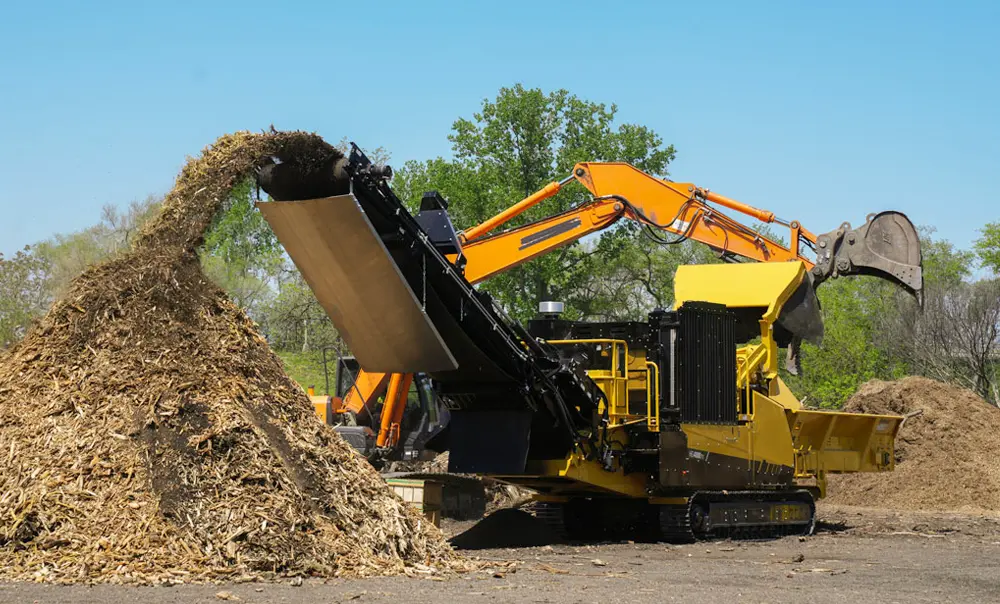
Waste utilization: Tree stumps are often considered a byproduct of land clearing, logging, or urban greening, requiring additional cost to remove and dispose of. Using them as raw material turns a liability into a valuable resource, eliminating disposal fees and creating revenue from the shredded output.
Reduced transportation costs: Shredding stumps on-site eliminates the need to transport bulky stumps to a landfill or processing facility. A single tree stump can weigh several tons, so on-site shredding cuts down on fuel costs and carbon emissions significantly.
Supplementary feedstock: Stumps can supplement other raw materials like branches or sawmill waste, reducing reliance on costly virgin wood and stabilizing supply for biomass or mulch production.

Product quality and versatility
High-density fuel: Tree stumps have a higher wood density than branches or leaves, making the shredded output a more energy-dense biomass fuel. This means it produces more heat per unit volume, improving combustion efficiency in power plants or boilers.
Nutrient-rich mulch: Shredded stump wood decomposes slowly, releasing nutrients into the soil over time. It’s ideal for landscaping mulch, as it suppresses weeds, retains moisture, and improves soil structure better than faster-decomposing materials like leaves.
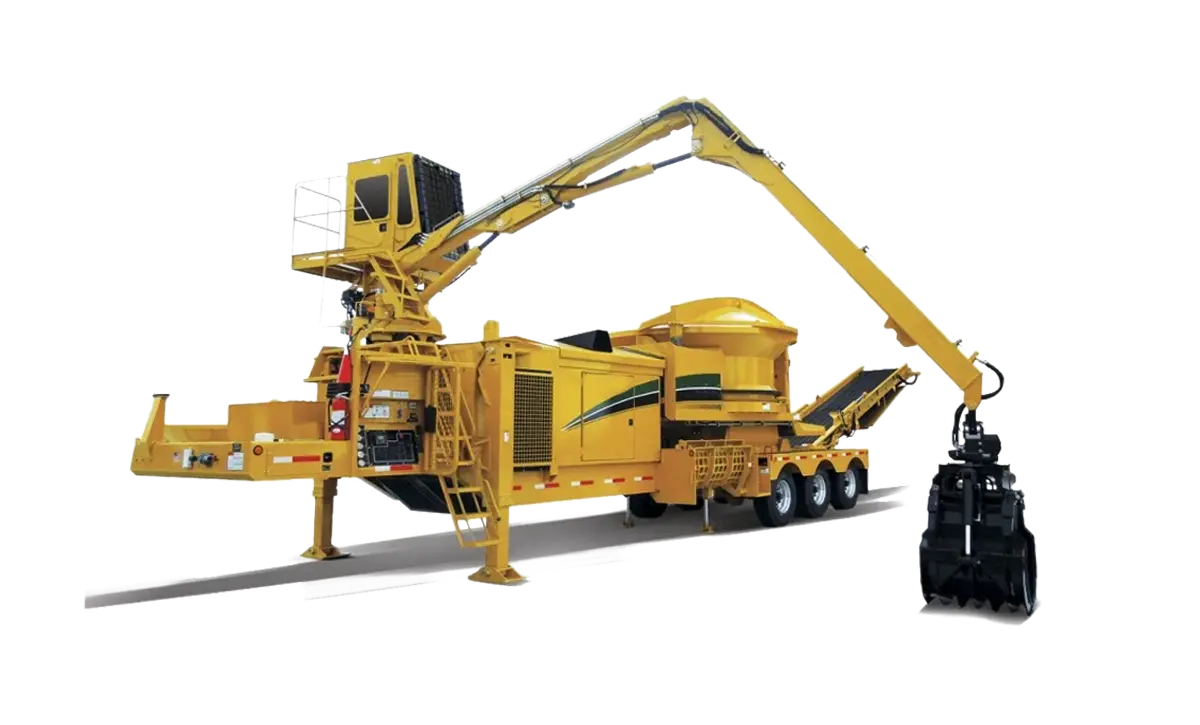
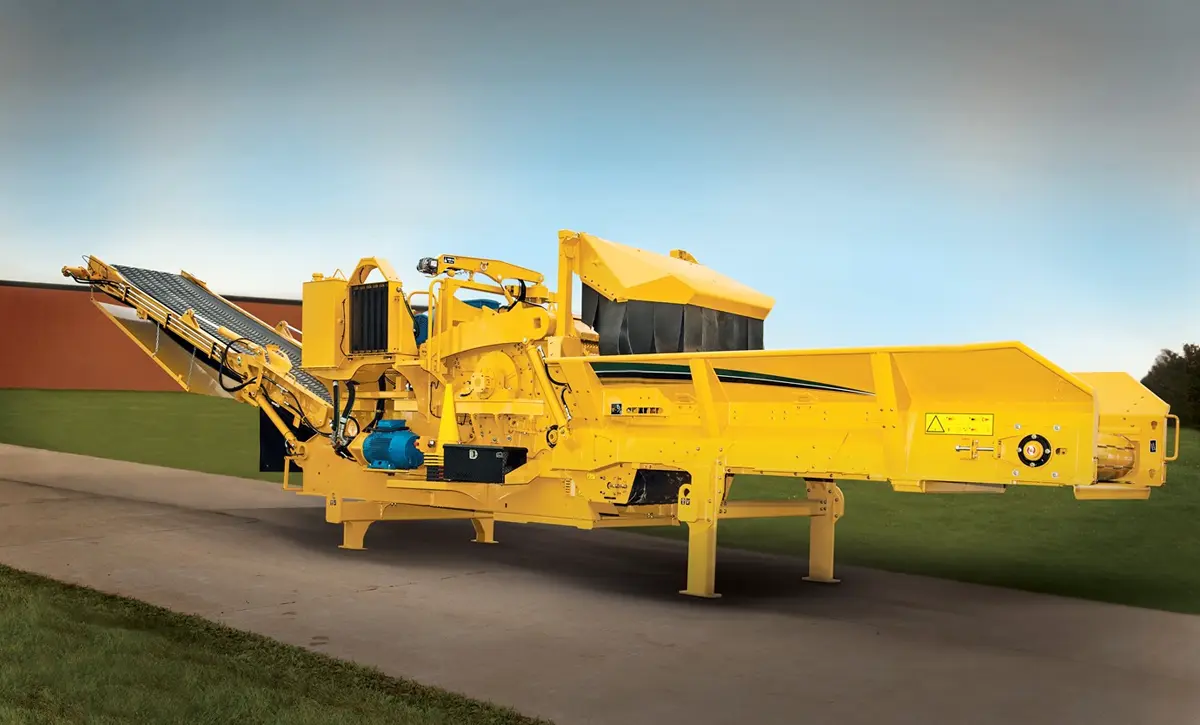
Uniform particle size: Modern tree grinder can process stumps into consistent particle sizes, suitable for a range of applications from biomass pellets to animal bedding. The dense, uniform texture also makes it easier to store and transport.

Environmental benefits
Carbon sequestration: By shredding stumps and using them as biomass fuel or mulch, the carbon stored in the wood is either released slowly into the soil (as mulch) or converted into energy with lower net emissions than fossil fuels. This prevents the carbon from being released rapidly through decomposition or burning in open piles.
Reduced soil disturbance: Traditional stump removal methods like digging or blasting can damage soil structure and disrupt ecosystems. Shredding stumps on-site leaves the soil intact, preserving soil fertility and reducing erosion risk.
Landfill diversion: Each ton of stumps shredded instead of landfilled saves about 1.2 cubic meters of landfill space and reduces methane emissions (a potent greenhouse gas) that would be produced during decomposition.

Operational advantages
Year-round availability: Unlike seasonal raw materials like fallen leaves or green waste, tree stumps are available year-round, providing a consistent feedstock for tree grinder. This helps maintain steady production in biomass plants or mulch facilities.
Equipment compatibility: Most industrial tree grinder are designed to handle the dense, tough wood of tree stumps, with heavy-duty blades and powerful motors. Tree grinder Some models even have specialized stump-shredding attachments for more efficient processing.
Regulatory compliance: Many regions have strict regulations on stump disposal, requiring proper removal and processing. Using stumps as raw material ensures compliance with these regulations while creating economic value.