

Electricity Generation


As global demand for sustainable and renewable energy continues to grow, biomass is playing an increasingly prominent role in the energy sector. At the forefront of this transformation are wood chippers and shredders, which convert wood waste into valuable resources such as thermal energy and electricity. This article explores the technology behind these machines and their impact on energy production and environmental sustainability.
● The Potential of Biomass:
Derived from organic materials like wood waste, agricultural residues, and other plant matter, biomass is a renewable energy source that can significantly reduce our reliance on fossil fuels. When properly processed, biomass can be utilized to generate thermal energy, electricity, and even biofuels, making it a versatile and highly valuable resource.
● The Role of Tree Grinders:
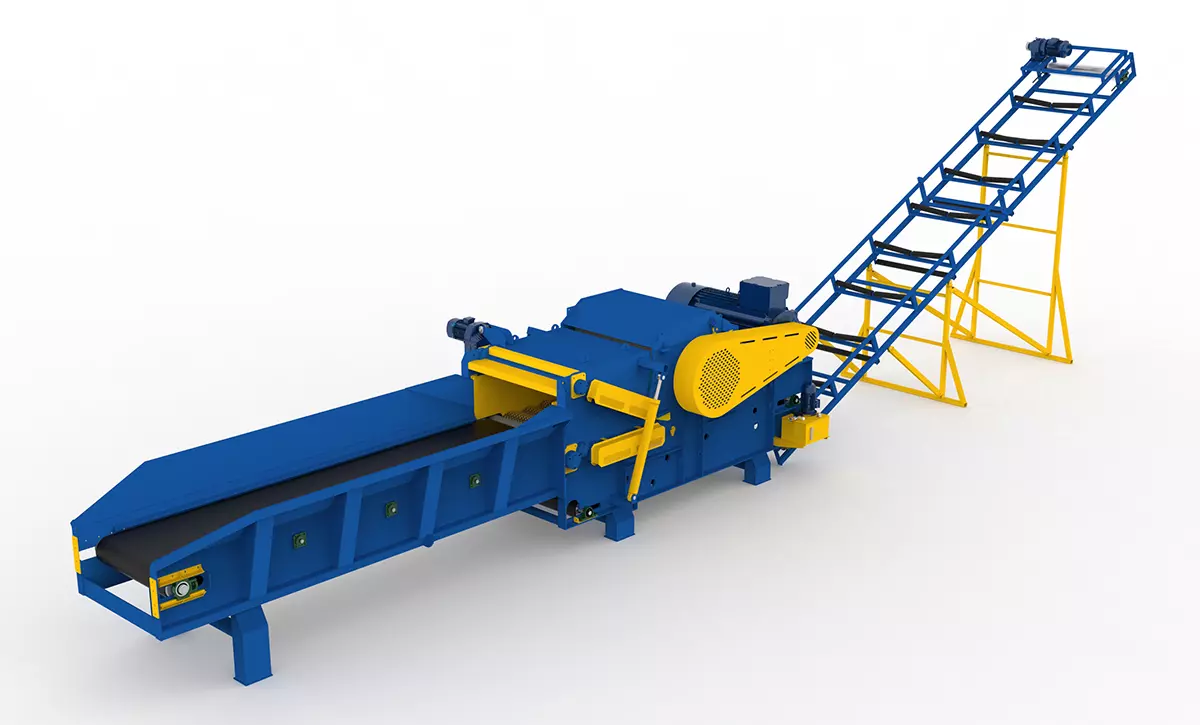
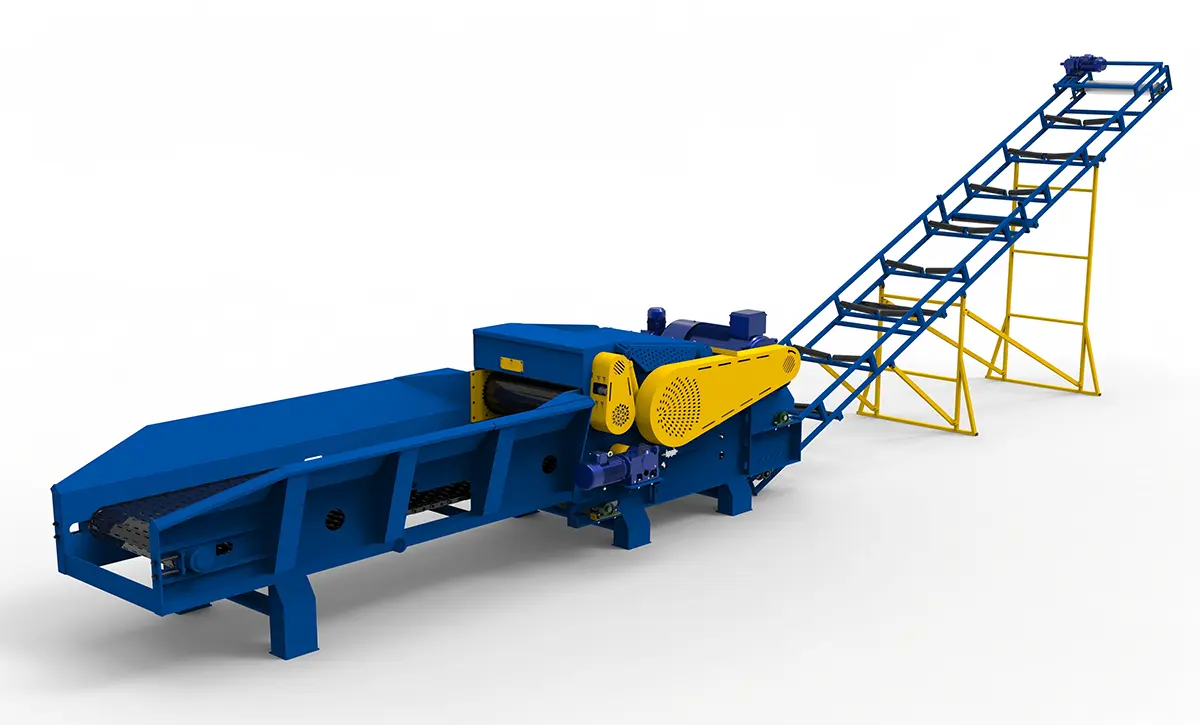
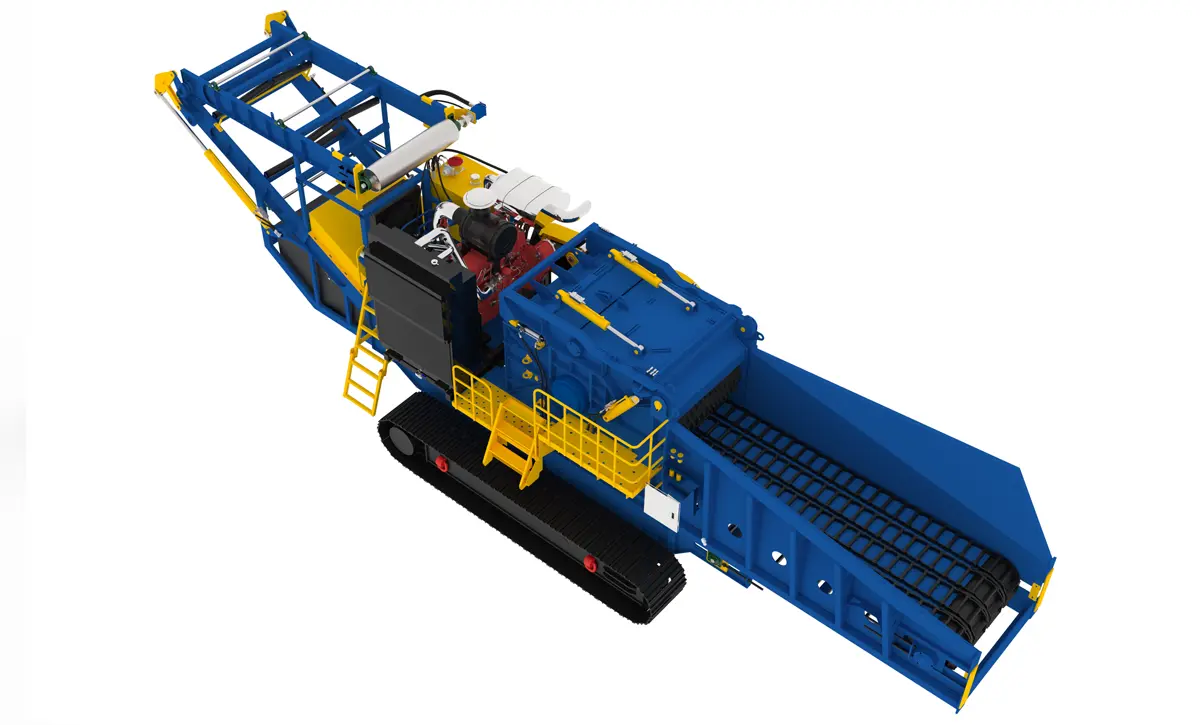
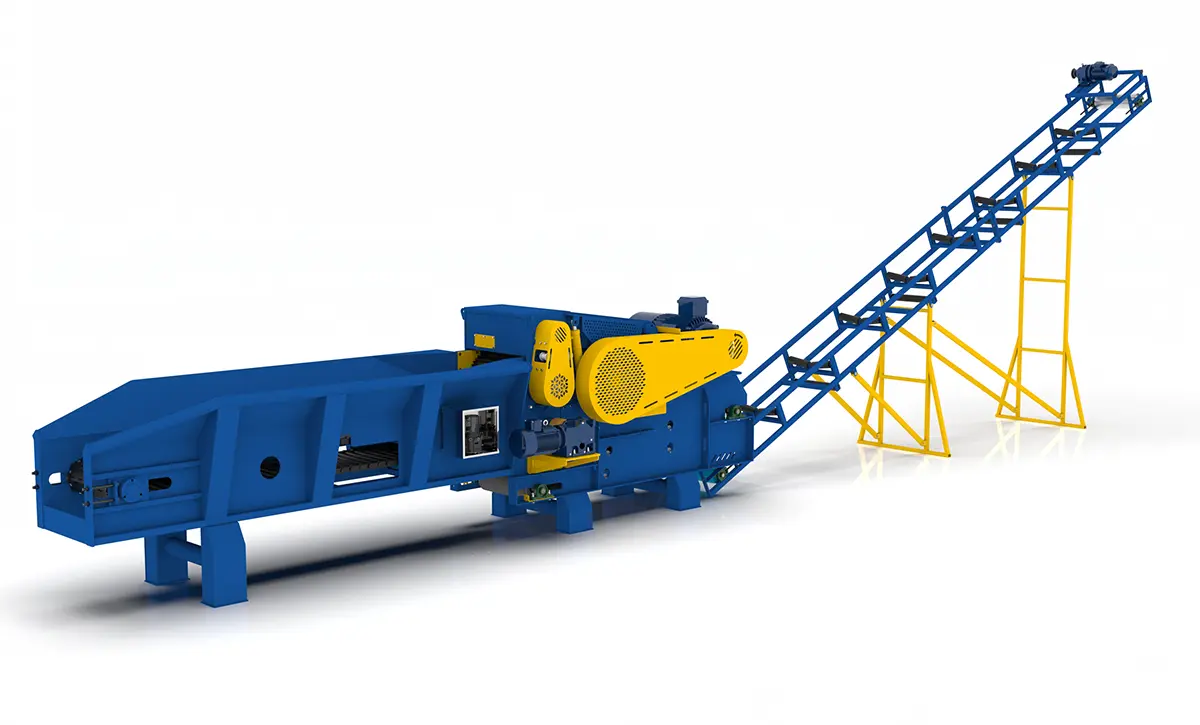
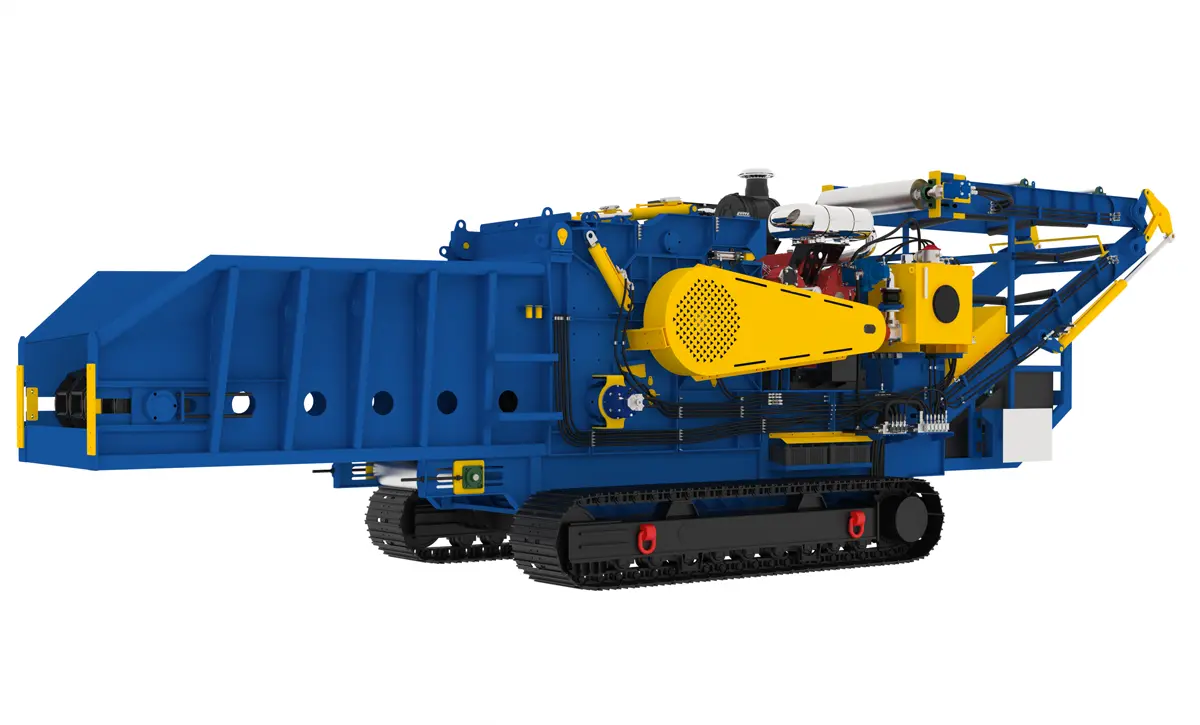
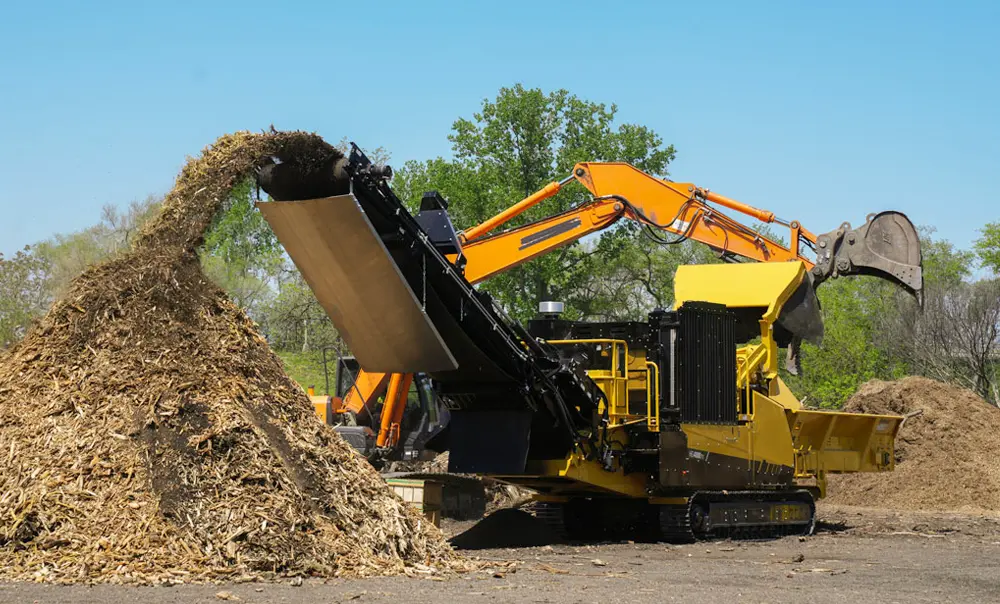
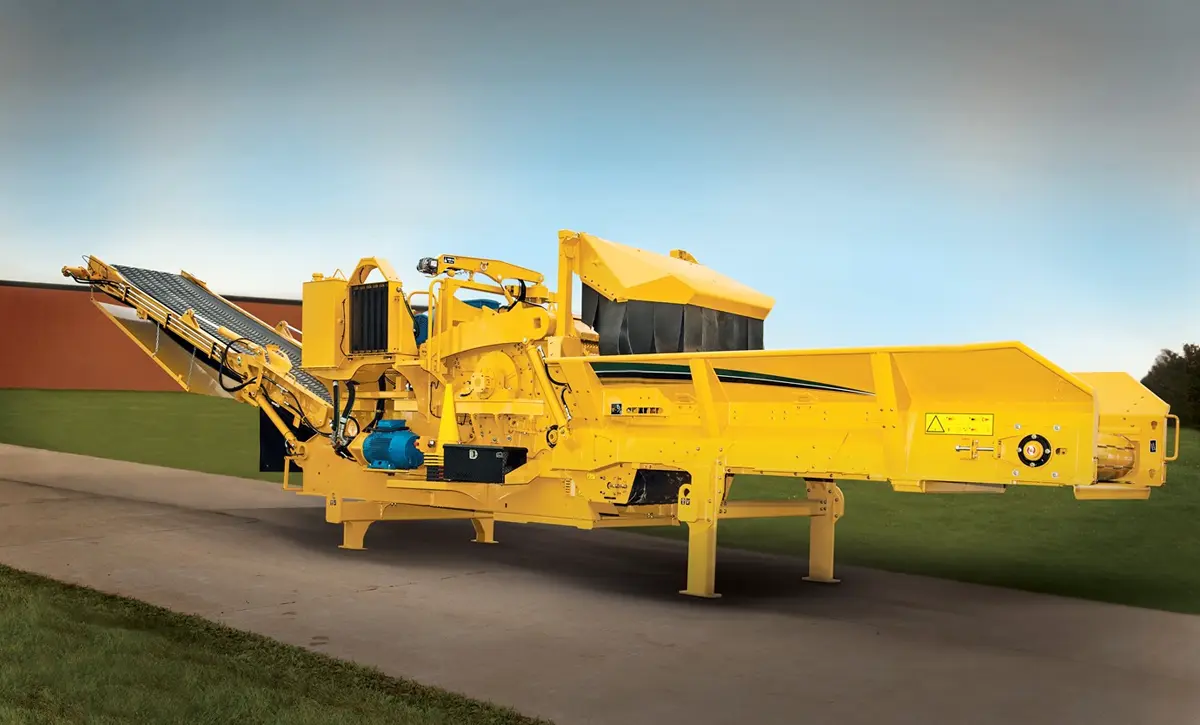
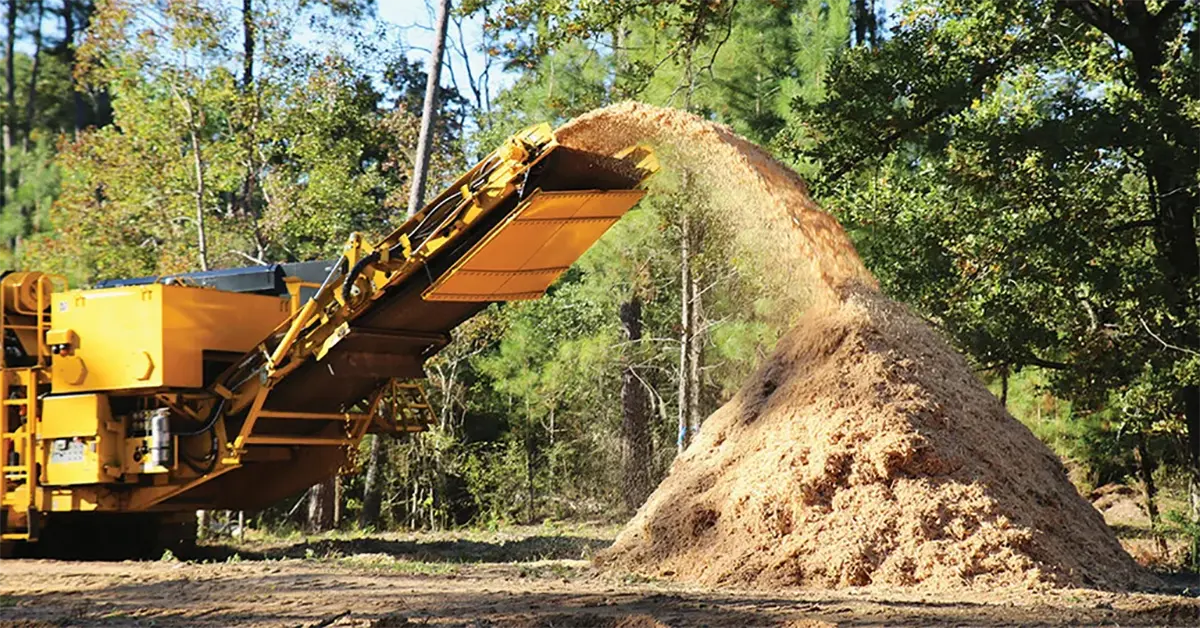
Tree grinders play a crucial role in preparing wood waste for energy production. These machines process large pieces of wood and forestry residues into smaller, more manageable sizes for further processing in bioenergy facilities. By converting wood waste into uniform, high-quality biomass, these machines ensure efficient combustion and energy production.
● Renewable Energy Production
The biomass produced by tree grinders constitutes a renewable energy source. When burned in biomass energy facilities, this biomass generates thermal and electrical energy, offering a sustainable alternative to fossil fuels. This process not only reduces greenhouse gas emissions but also contributes to enhanced energy independence.

● Economic Benefits
Investing in a tree grinder yields significant economic advantages. By utilizing wood waste for energy production, businesses can lower energy costs and even generate additional revenue by selling surplus biomass. Furthermore, the biomass industry creates jobs in manufacturing, maintenance, and bioenergy production, thereby stimulating local economic development.

● Biomass fuel production
Raw material processing: Tree grinders (including wood chippers and shredders) process waste wood, branches, and forestry residues into uniform-sized wood chips or sawdust. This reduces the volume of raw materials by 70-80%, making storage and transportation more efficient.
Fuel quality optimization: Properly ground biomass materials have a consistent particle size, which improves combustion efficiency in biomass power plants. They burn more fully, reducing emissions of unburnt carbon and pollutants.

● Waste-to-energy systems
Urban wood waste disposal: Tree grinders process urban greening waste (such as pruned tree branches, fallen leaves, and construction wood waste) into usable fuel. This reduces landfill volume and converts waste into renewable energy.
Industrial wood waste recycling: In the wood processing industry, tree grinders handle offcuts, sawdust, and defective products, turning them into biomass fuel for on-site power generation or external sales.
Environmental benefits: Each ton of wood waste processed and burned instead of landfilled reduces methane emissions by about 1.5 tons (equivalent to 33 tons of CO₂), contributing to carbon reduction goals.

● Co-firing with coal
Fuel blending: Ground biomass materials are mixed with coal in coal-fired power plants to reduce coal consumption and lower carbon emissions. The recommended blending ratio is 5-20%, depending on the boiler type and emission standards.
Technical advantages: Tree grinders can adjust the particle size of biomass materials to match coal grinding requirements, ensuring uniform mixing and stable combustion. This avoids boiler operational issues caused by inconsistent fuel properties.
Policy compliance: Many countries mandate coal-fired power plants to use biomass co-firing to meet renewable energy targets. For example, the EU’s Renewable Energy Directive requires 20% of energy consumption to come from renewables by 2030, driving demand for biomass processing equipment.