

Branch

Operational efficiency
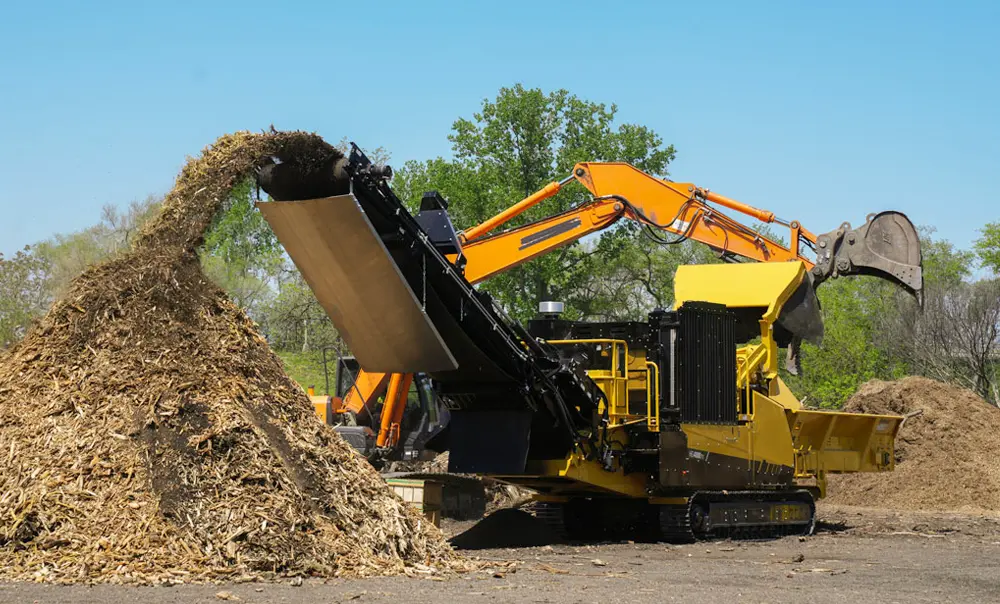
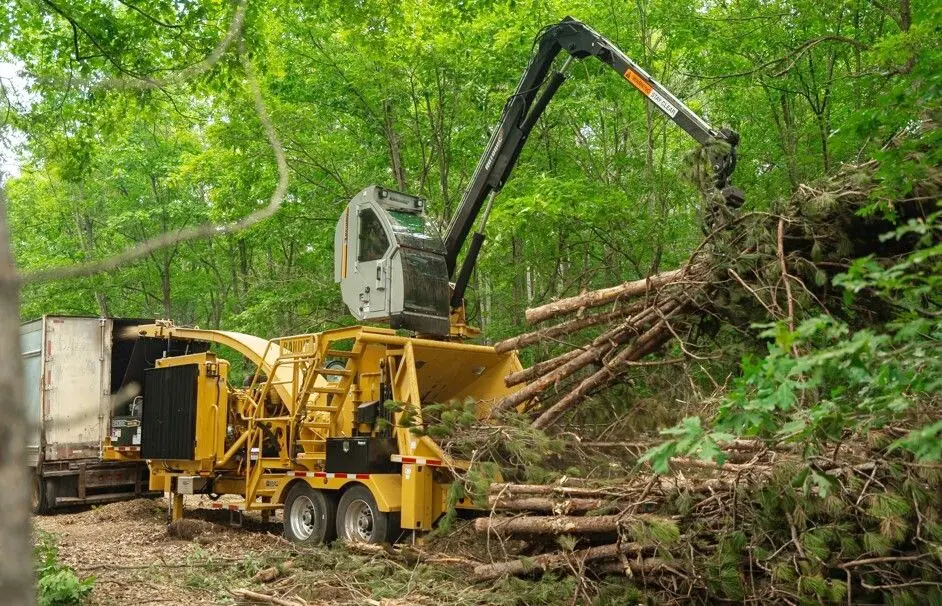
Easy handling and feeding: Branches are lighter and more manageable than stumps or large logs, making them easier to load into tree grinder. Many tree grinder can even accept branches directly without pre-cutting, reducing labor and equipment costs.
Fast processing speed: The smaller diameter of tree grinder allows shredders to process them at a higher rate compared to larger wood waste. For example, a mid-sized tree grinder can process up to 10 tons of branches per hour, which is 2-3 times faster than processing stumps of the same weight.
Low equipment wear: Branches have a lower density and contain fewer rocks or metal contaminants than stumps, reducing wear on tree grinder blades and components. This extends the lifespan of the equipment and lowers maintenance costs.

Product quality and versatility
Consistent particle size: Branches have a uniform diameter, which makes it easier to produce shredded material with a consistent particle size. This is critical for applications like biomass fuel, where uniform size ensures stable combustion, or mulch, where consistent texture improves landscaping results.
High-quality mulch: Shredded branches produce a fibrous, aesthetically pleasing mulch that retains moisture well and suppresses weeds effectively. It’s also slower to decompose than leaf mulch, providing long-term benefits for soil health.
Flexible feedstock for biomass: Branches have a balanced moisture content (typically 20-30%) that’s ideal for biomass fuel production. They can be shredded directly into wood chips for use in power plants or further processed into pellets for residential heating.

Cost-effectiveness
Low acquisition cost: Branches are a readily available waste product from logging, pruning, and urban greening operations. In many cases, they can be obtained for free or at a low cost, reducing raw material expenses.
Reduced transportation costs: Branches can be shredded on-site, eliminating the need to transport bulky waste to a processing facility. This cuts down on fuel costs and carbon emissions, especially for urban or suburban projects where transportation distances are short.
High revenue potential: The shredded output from branches has multiple market uses, including landscaping mulch, biomass fuel, and animal bedding. This creates additional revenue streams for businesses that process branch waste.

Environmental benefits
Diversion of waste from landfills: Each year, millions of tons of tree branches are sent to landfills, where they decompose and release methane. Shredding branches and reusing them as mulch or biomass fuel diverts this waste from landfills and reduces greenhouse gas emissions.
Soil health improvement: Shredded branch mulch adds organic matter to the soil, improving its structure, water retention, and nutrient content. This reduces the need for synthetic fertilizers and promotes healthy plant growth.
Wildlife habitat support: Shredded branch piles can provide habitat for small mammals, insects, and birds, supporting biodiversity in urban and rural areas.