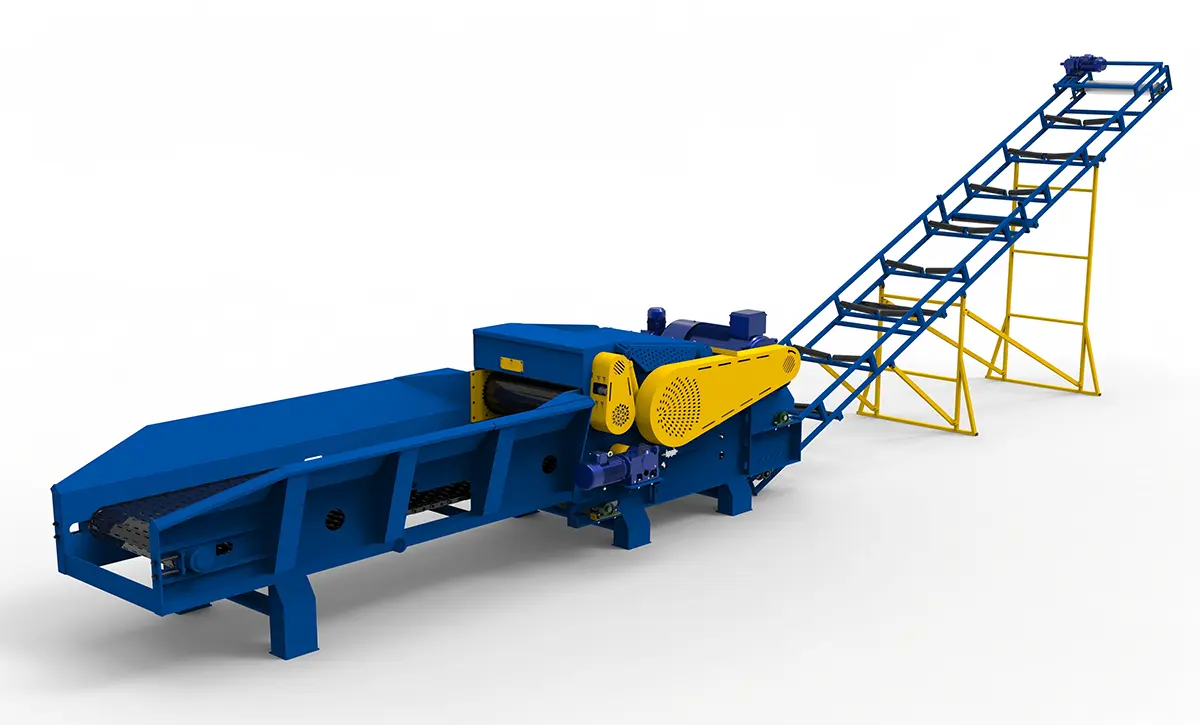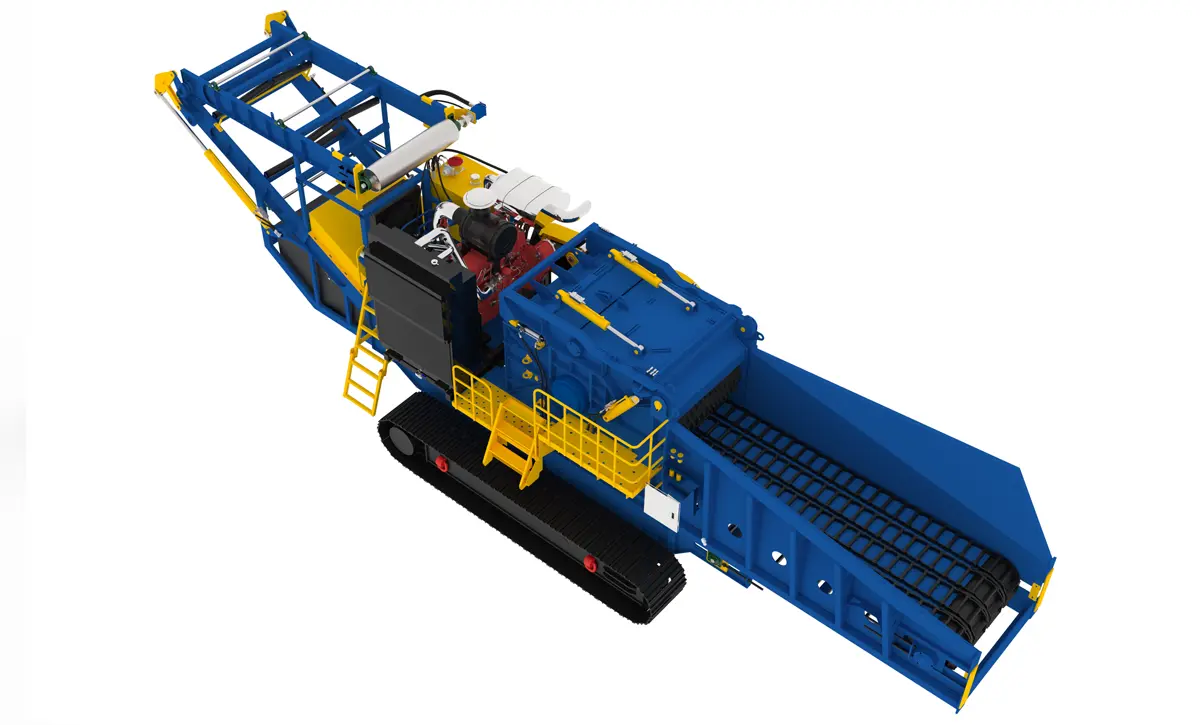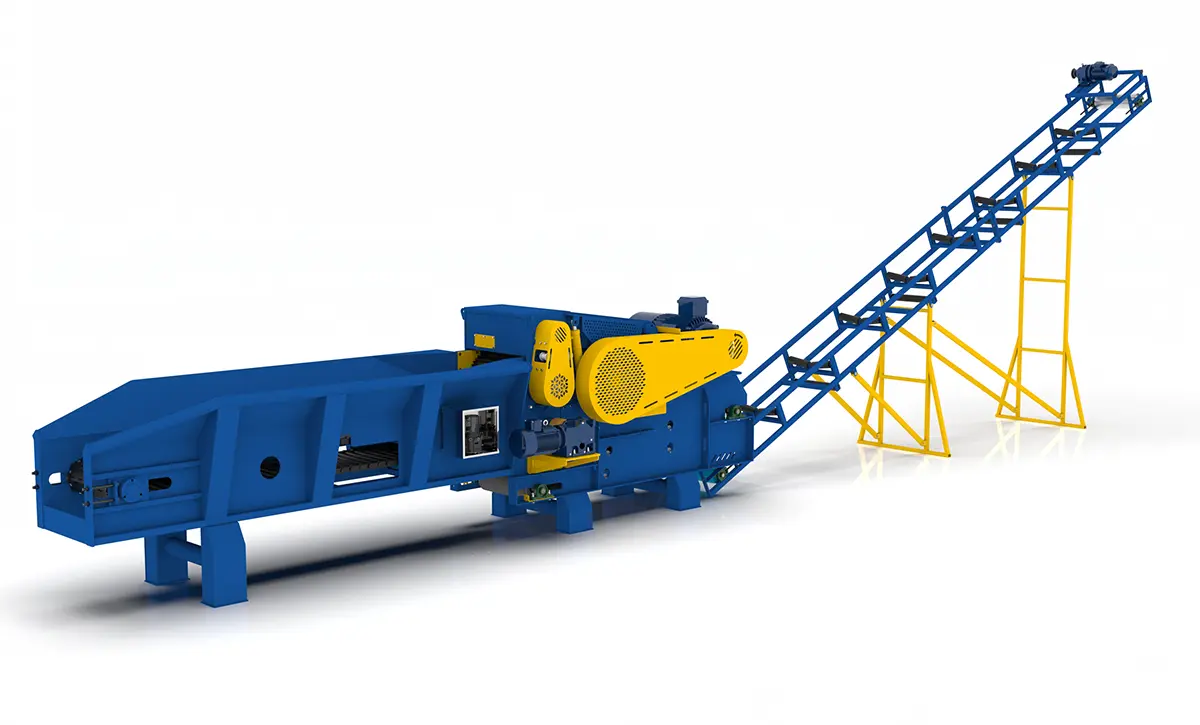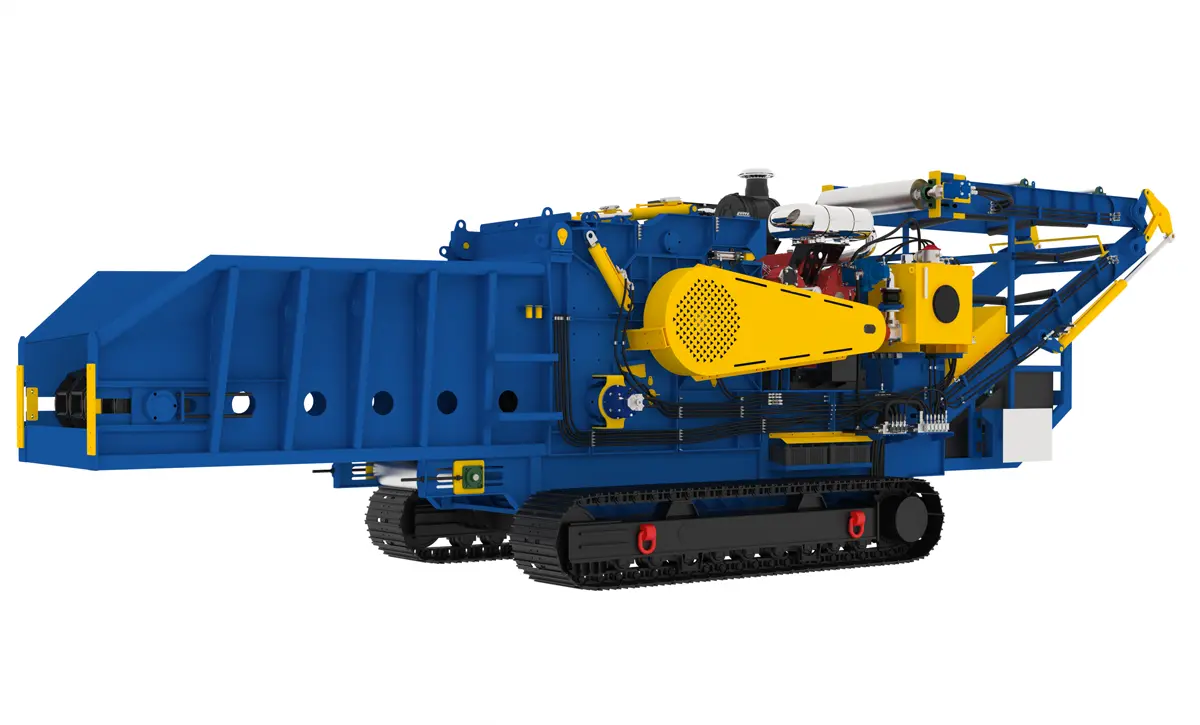


Waste Wood


Unmatched cost efficiency
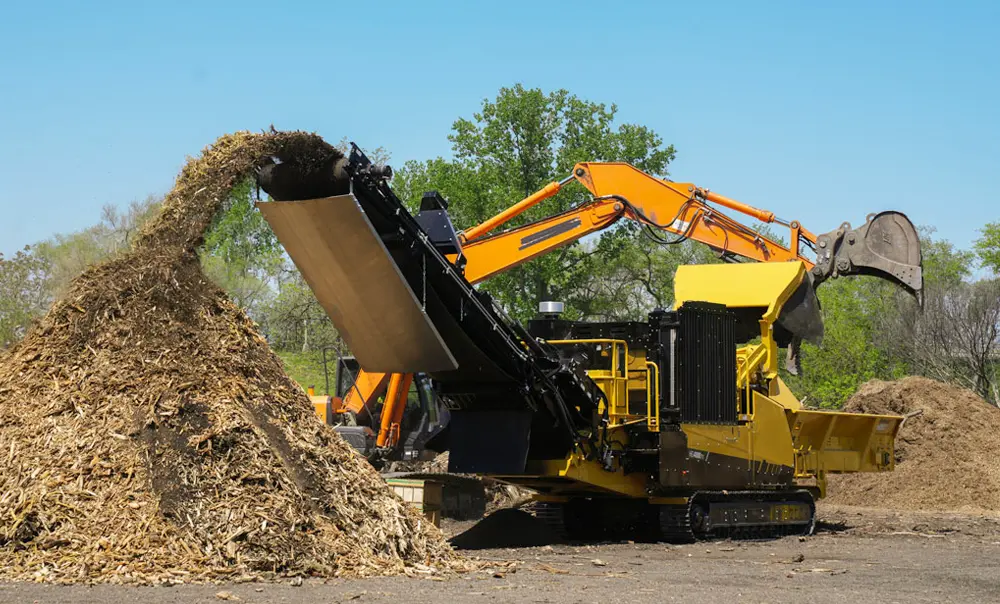
Virtually free raw material: Waste wood (including construction pallets, discarded furniture, demolition lumber, and sawmill offcuts) is often considered a liability, with businesses paying to dispose of it. Using it as tree grinder feedstock eliminates disposal costs and turns waste into a revenue-generating product.
Reduced transportation expenses: Waste wood is widely available in urban and industrial areas, so processing facilities can source it locally, cutting down on long-haul transportation costs. For example, a construction site can shred waste wood on-site to use as mulch for landscaping, avoiding fees for hauling it to a landfill.
Low processing overhead: Most waste wood is already broken down into manageable sizes, reducing the need for pre-cutting or heavy-duty preparation. This lowers labor and equipment costs compared to processing whole trees or stumps.

Strong environmental benefits
Diverts massive waste from landfills: In the U.S. alone, over 18 million tons of wood waste are sent to landfills each year, where it decomposes and releases methane (a greenhouse gas 25x more potent than CO₂). Shredding waste wood for reuse diverts this material, reducing landfill pressure and carbon emissions.
Supports circular economy: By recycling waste wood into mulch, biomass fuel, or composite materials, tree grinders close the loop on wood consumption. For example, shredded pallets can be turned into landscape mulch, which eventually decomposes to enrich soil, creating a sustainable cycle.
Reduces demand for virgin wood: Every ton of waste wood processed replaces a ton of virgin wood that would otherwise be harvested. This helps preserve forests and protects biodiversity, especially in vulnerable ecosystems.

Versatile product output
Tailored end products: Waste wood can be shredded into different particle sizes for various uses:
Fine chips: Ideal for biomass fuel in power plants or residential pellet stoves.
Coarse mulch: Perfect for landscaping, erosion control, or playground surfacing.
Medium-sized chips: Used as animal bedding or in composite lumber production.
Consistent quality with sorting: With basic pre-sorting to remove metal, plastic, or treated wood, waste wood produces a clean, uniform output that meets industry standards. For example, sorted construction lumber can be shredded into high-quality mulch for commercial landscaping projects.
Adaptable to niche markets: Shredded waste wood can be processed into specialized products like mushroom growing substrate or acoustic insulation, opening up additional revenue streams.

Smooth operational flow
Predictable feedstock supply: Waste wood is available year-round, unlike seasonal raw materials like fallen leaves or green waste. This ensures steady production for processing facilities, avoiding downtime due to feedstock shortages.
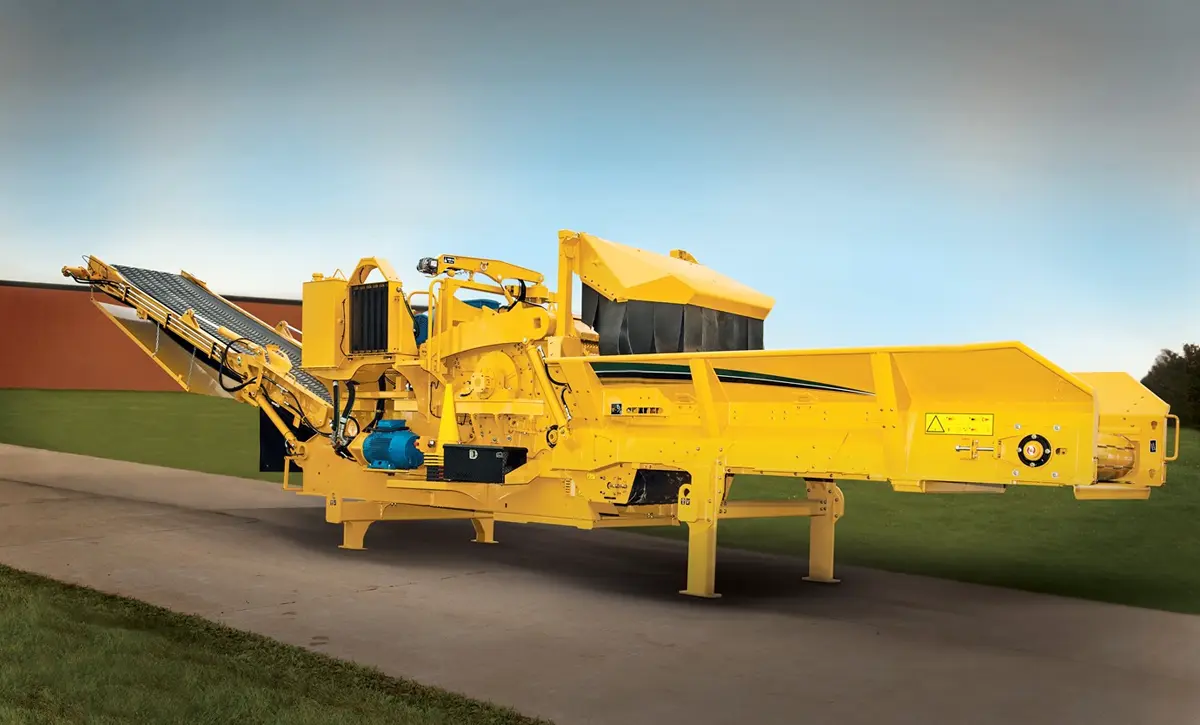
Equipment-friendly: Most waste wood is dry and free of dirt or rocks (with proper sorting), reducing wear on tree grinder blades and components. This extends equipment lifespan and lowers maintenance costs compared to processing raw tree stumps or dirty construction debris.
Compliance with regulations: Many regions have strict laws against dumping wood waste, and using it as feedstock helps businesses comply with environmental regulations while avoiding fines.