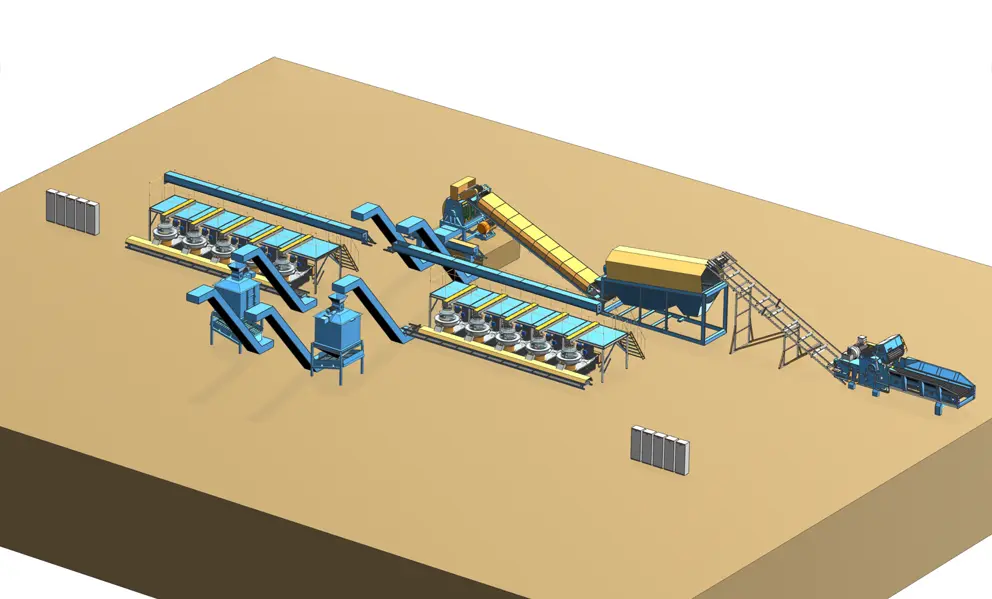
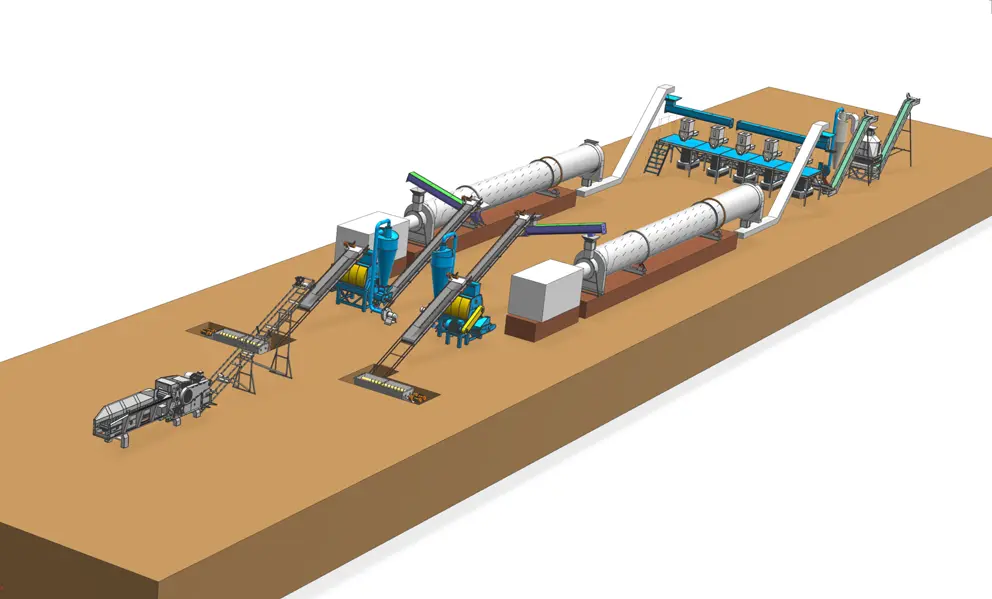
1. Green Material Pre-processing Stage
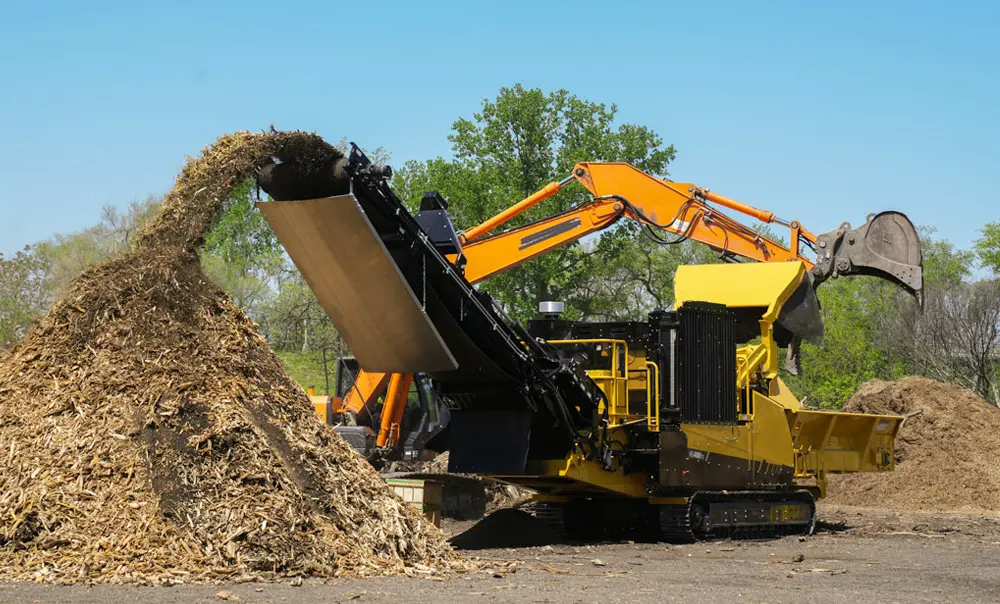
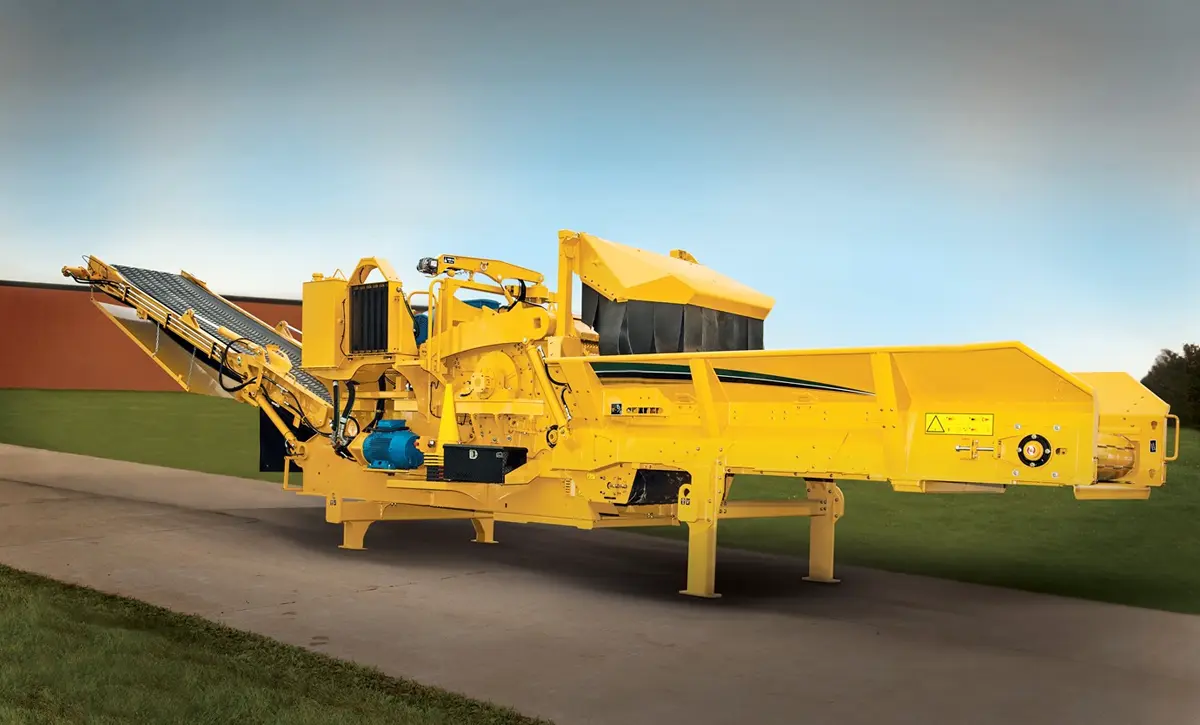
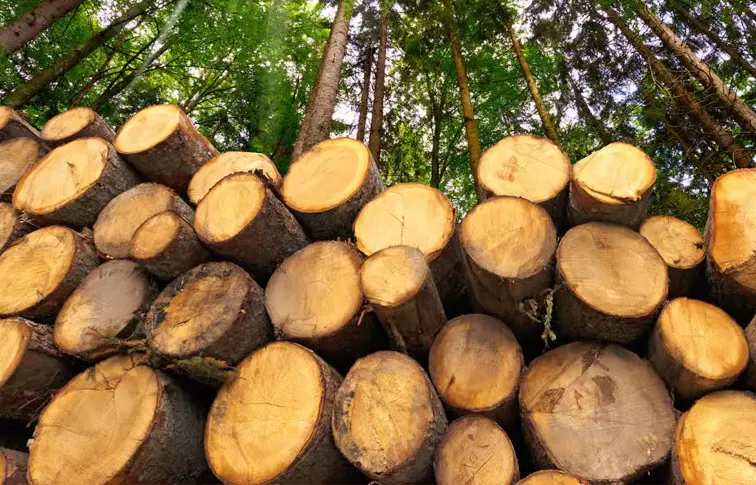
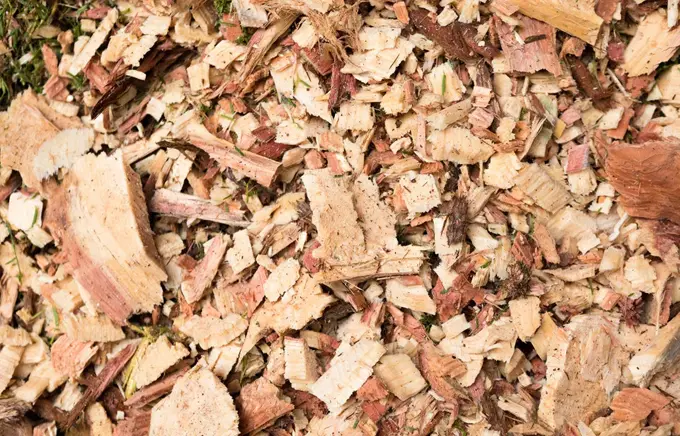
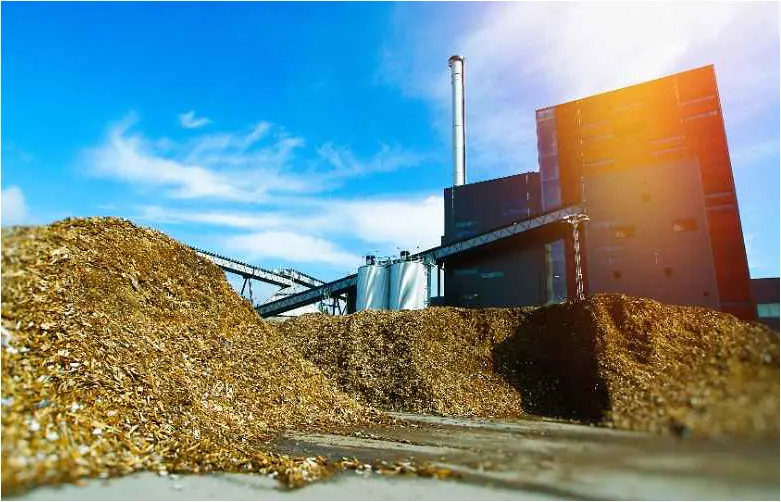
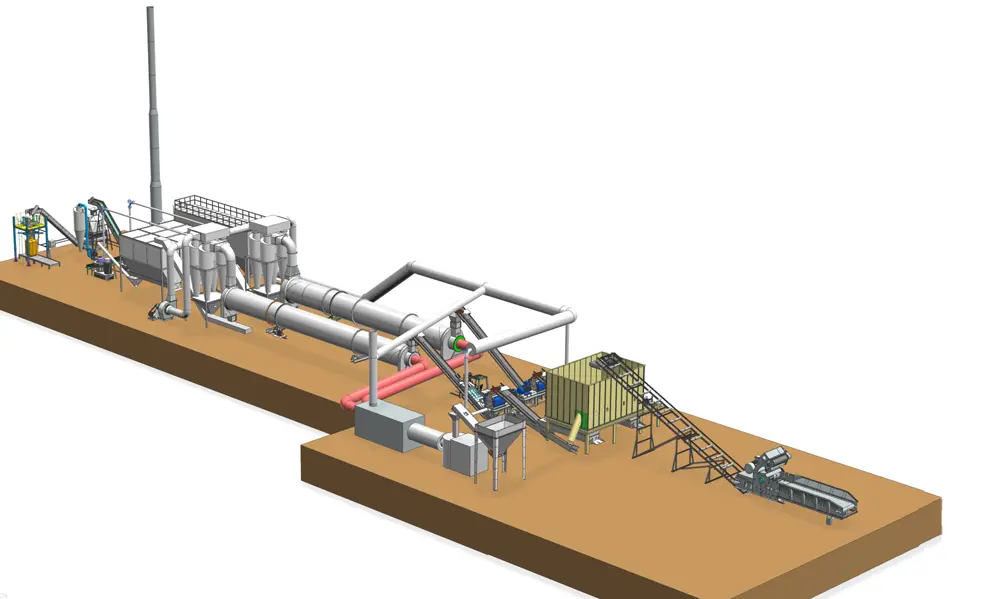
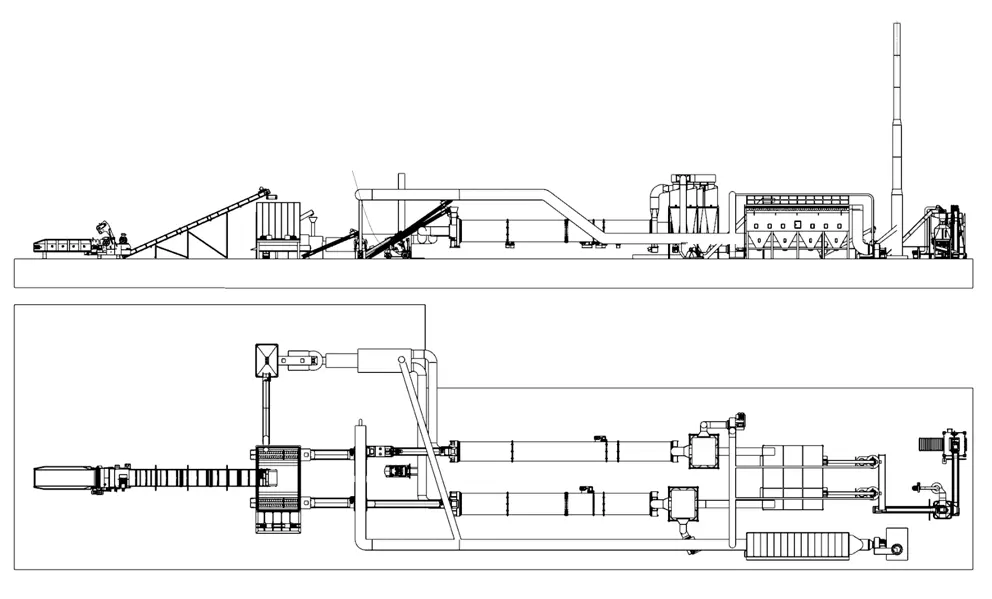
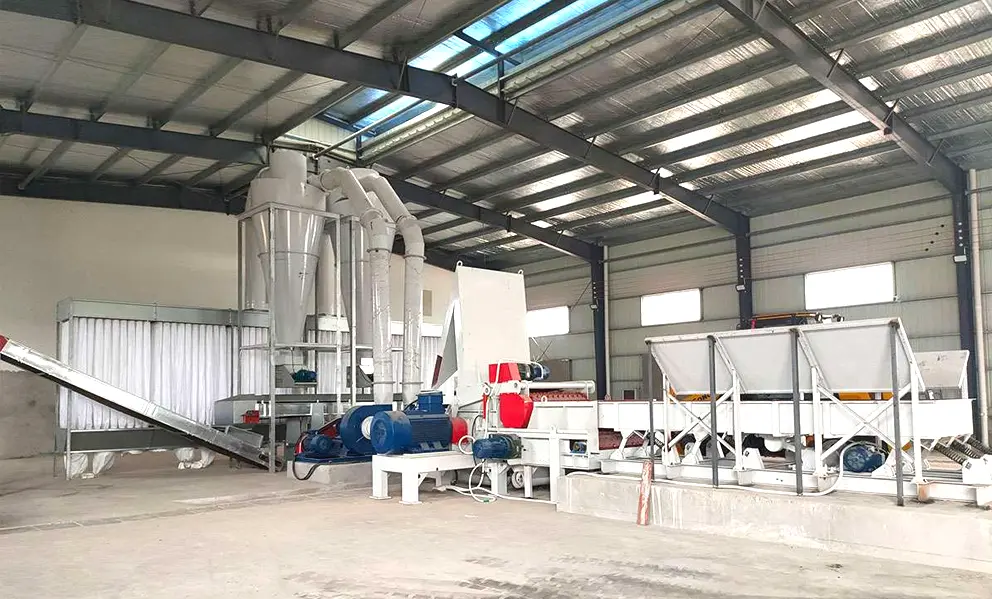
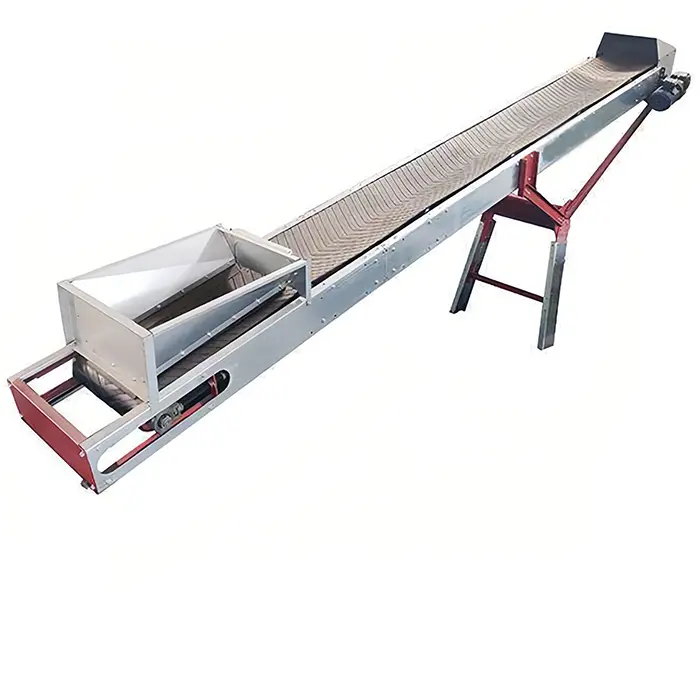
Coarse Shredding: Fresh branches (up to 150–200 mm diameter) are initially reduced into wood chips via robust industrial chippers.
Metal & Contaminant Removal: Integrated magnets and gravity separators extract tramp metals, stones, and soil to protect downstream equipment.
Moisture Equalization: Freshly shredded wood chips are temporarily stored in buffer silos with ventilation to initiate natural moisture diffusion.
2. Innovative Drying & Moisture Control
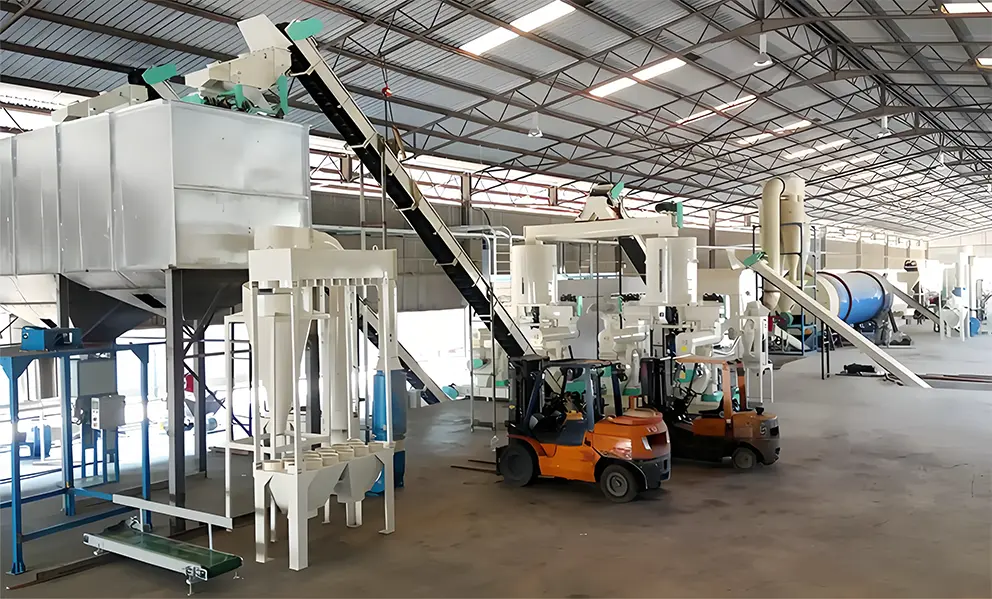
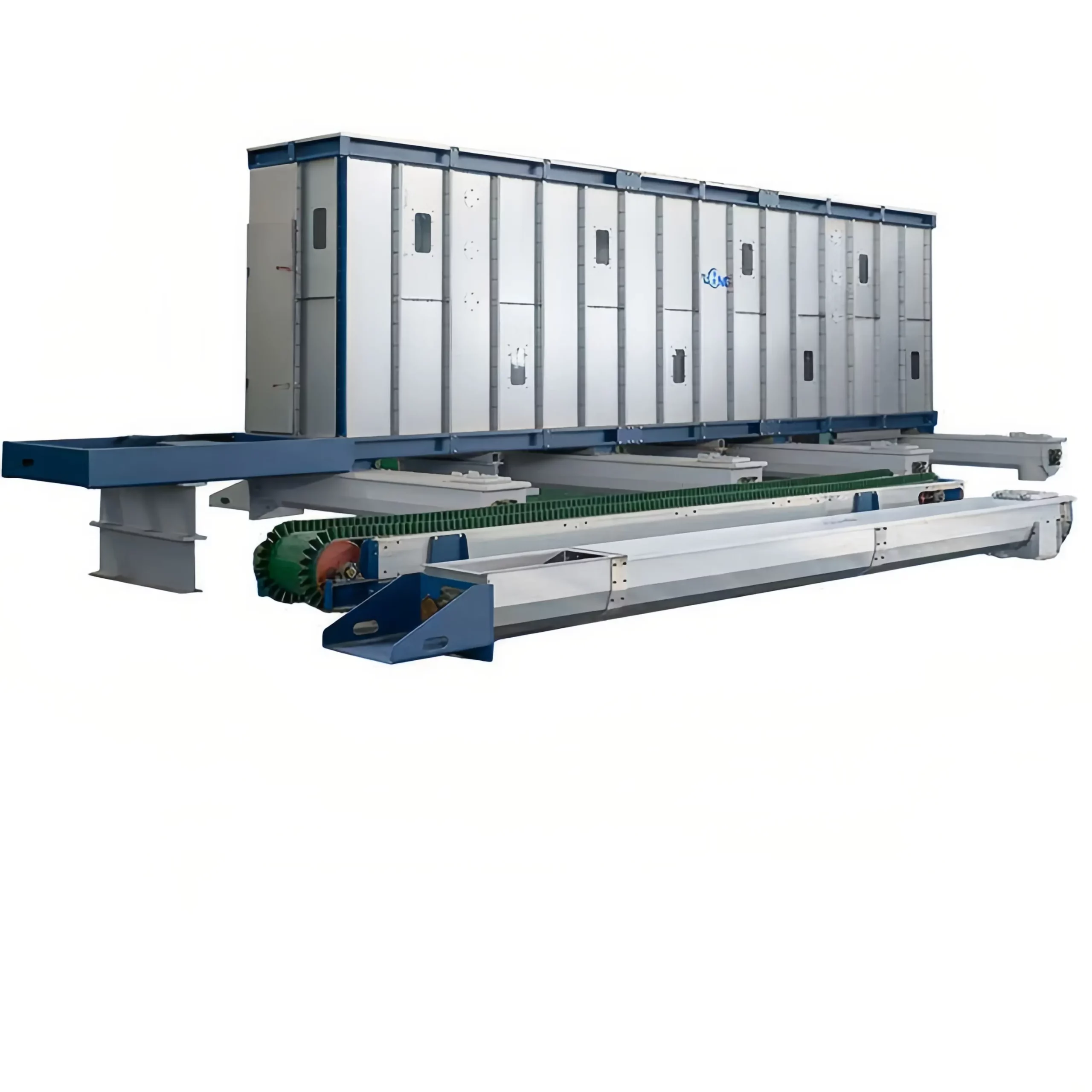
Two-Stage Drying System: Combines mechanical pre-dewatering (screw press or centrifuge) with thermal drying (belt/drum dryer) to efficiently reduce moisture from 40–55% (fresh) to 10–15% (pellet-ready).
Energy-Efficient Heat Source: Utilizes biomass burners fueled by process residues (e.g., bark, fines) or optional biogas/solar-assisted systems to minimize external energy inputs.
Moisture Feedback Control: Online NIR (Near-Infrared) sensors continuously monitor chip moisture, enabling real-time dryer adjustment for consistent feedstock quality.
3. Fine Grinding & Conditioning
Hammer Mill Grinding: Dried wood chips are pulverized into fine particles (< 4 mm) to ensure uniform pellet formation.
Steam Conditioning: Pre-heating and moisturizing of ground material in a conditioner to activate natural lignins—reducing pelleting pressure and enhancing binding.
4. High-Pressure Pelletizing
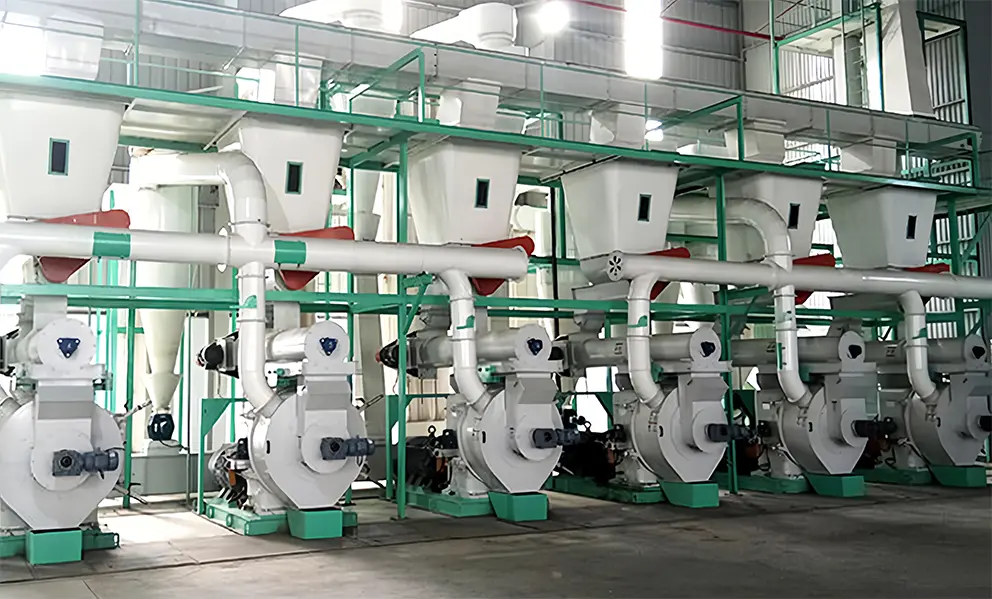
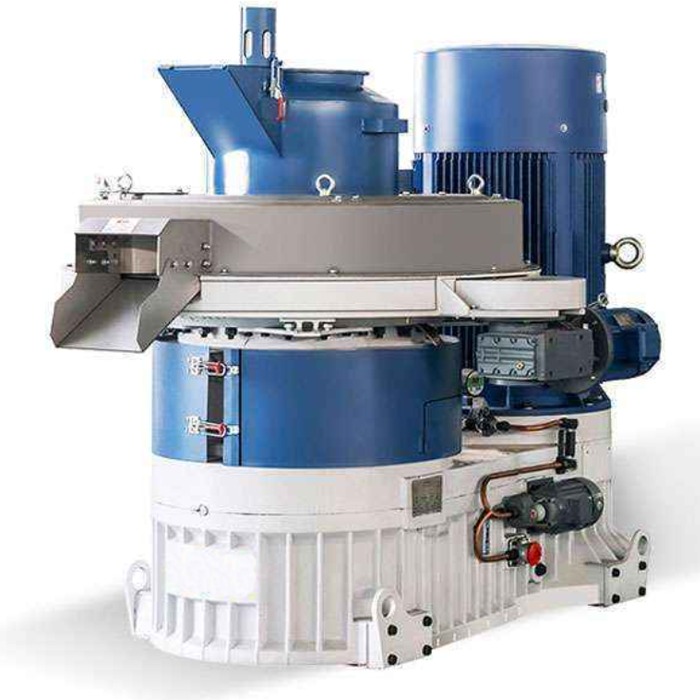
Ring-Die Pellet Mill: Processes conditioned material into dense, smooth-surfaced pellets (6–10 mm diameter) under controlled temperature and pressure.
Die & Roller Optimization: Specially designed die compression ratios and hardened alloy rollers adapted for variable wood species and fiber characteristics.
5. Post-Pellet Processing
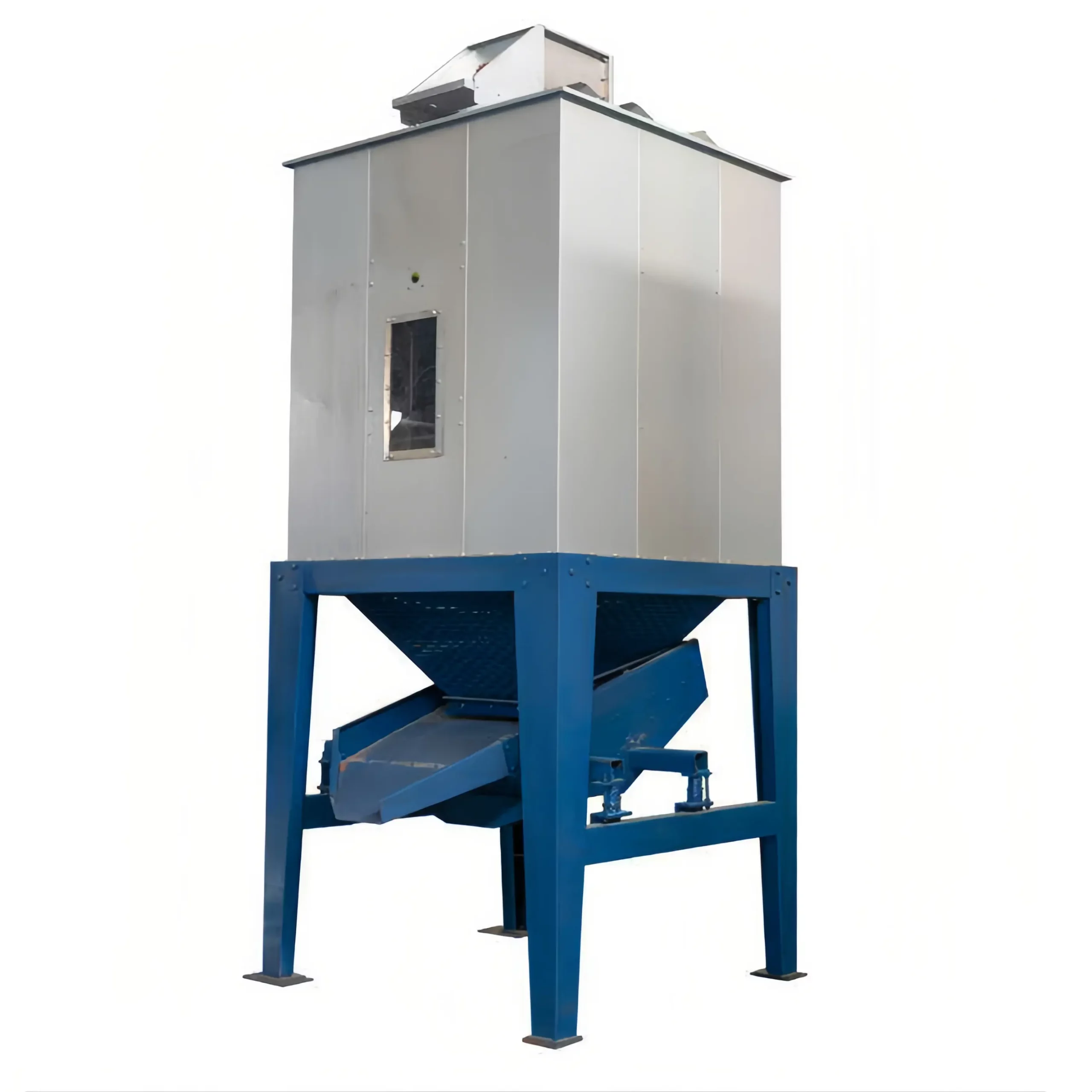
Cooling & Stabilization: Counter-flow coolers reduce pellet temperature and moisture to ambient levels, preventing condensation during storage.
Screening & Fines Recycling: Rotary sieves separate intact pellets from fines, which are automatically recycled back to the conditioning stage.
Automated Packaging: Bulk weighing, bagging, and palletizing systems for 15–25 kg bags or 1-ton big bags, with optional robotic stacking.