

Timber Processing Plants


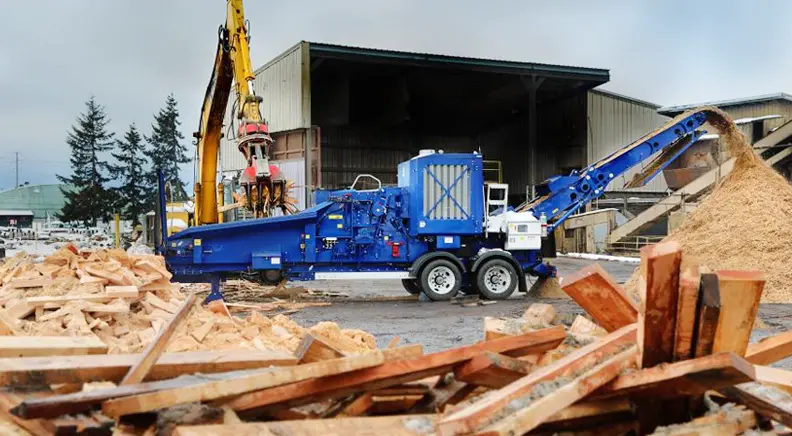
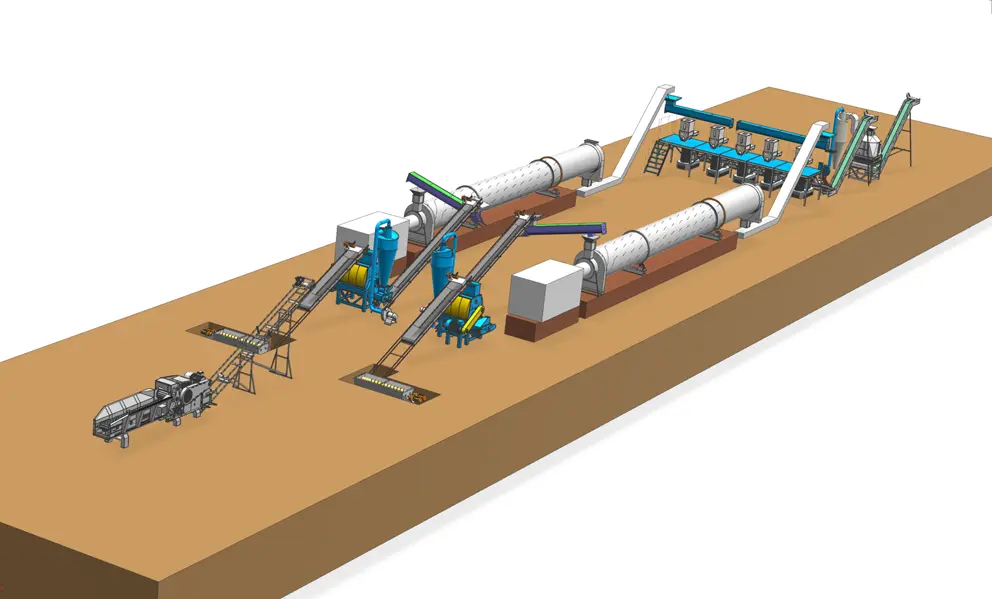
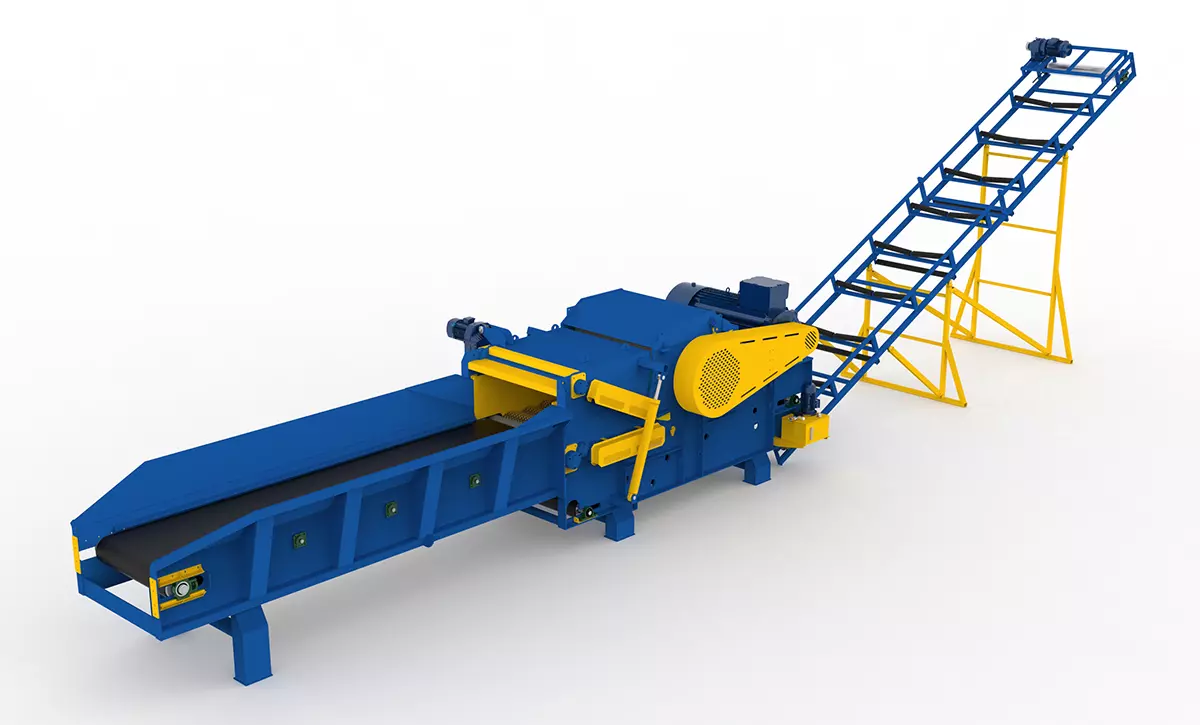
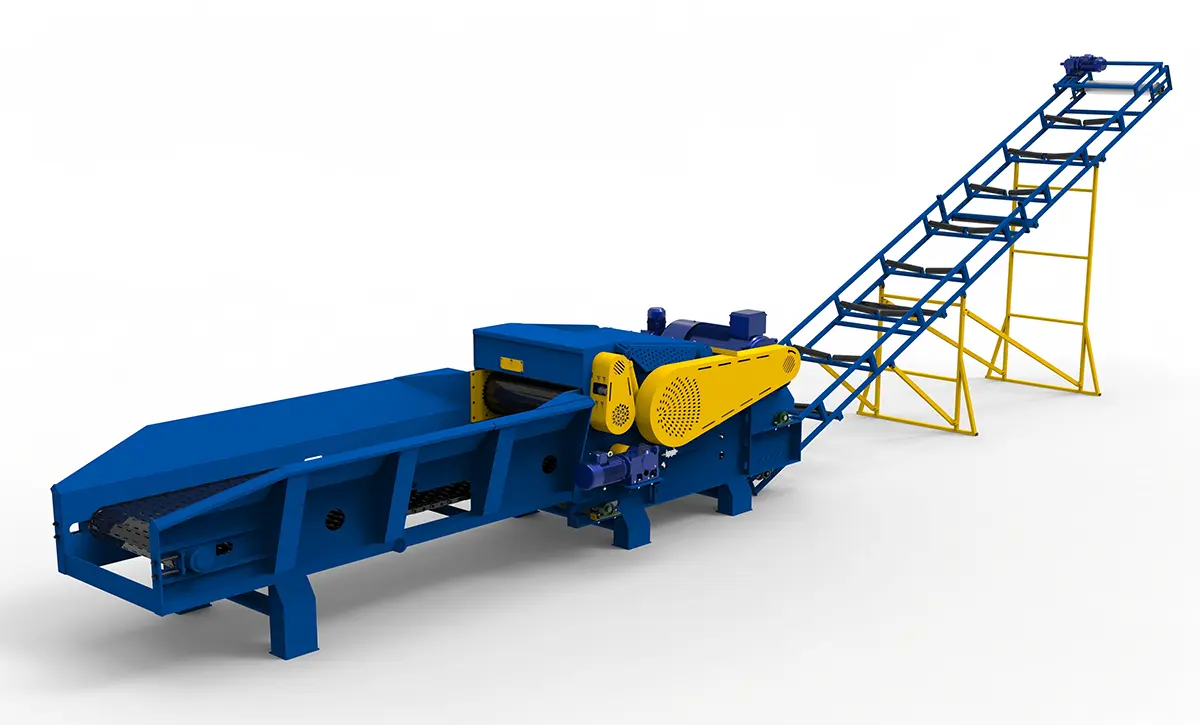
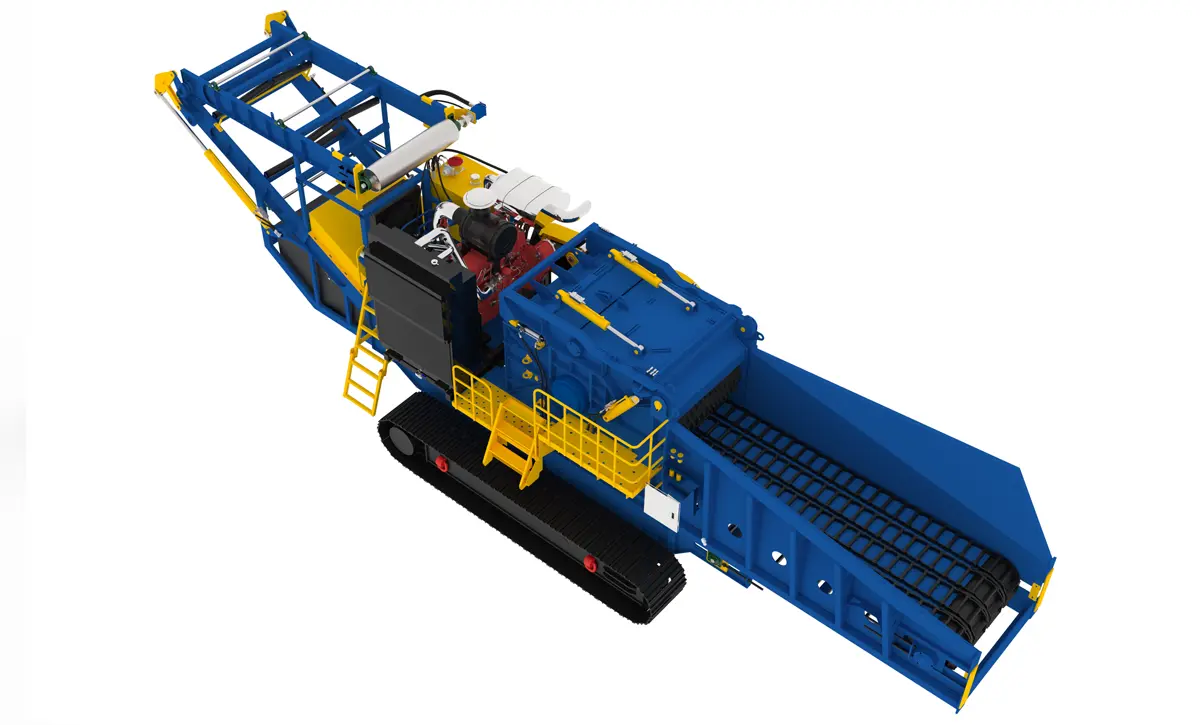
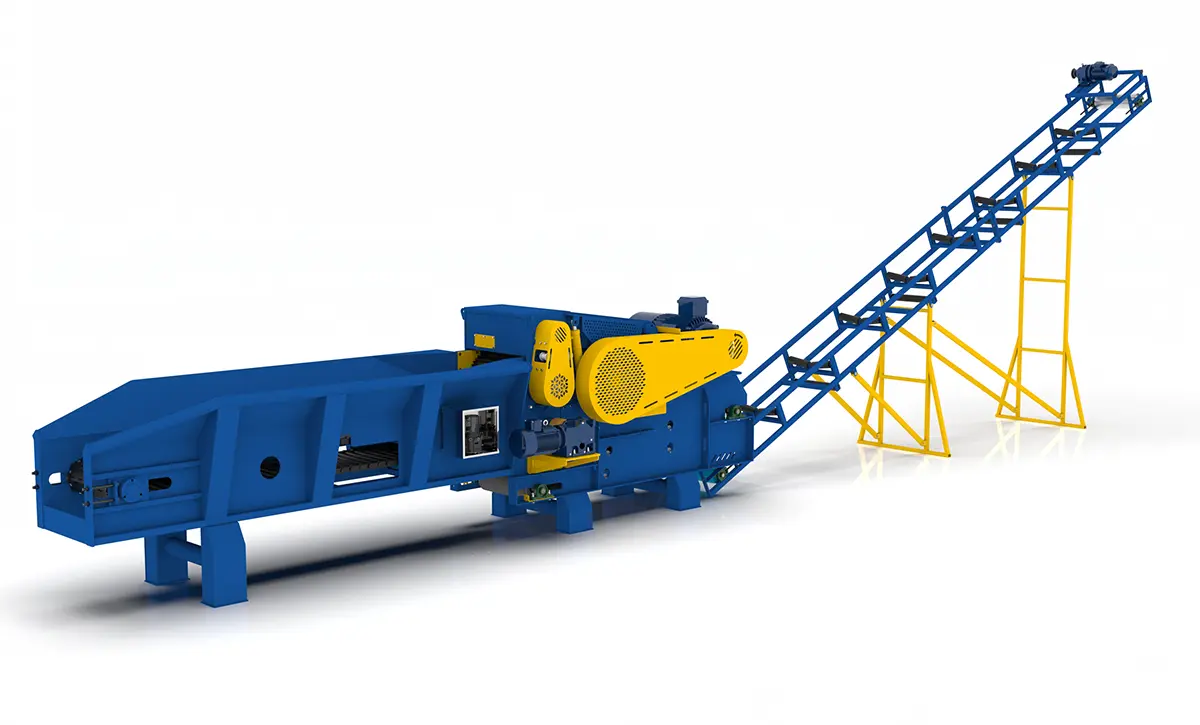
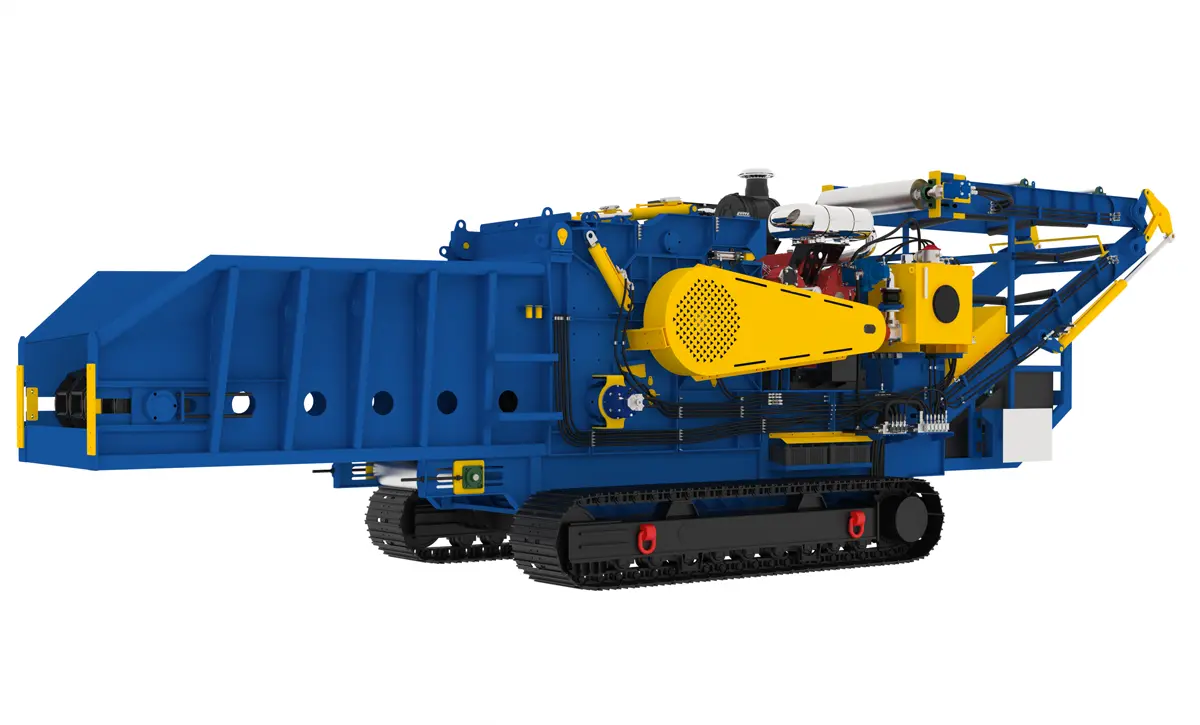
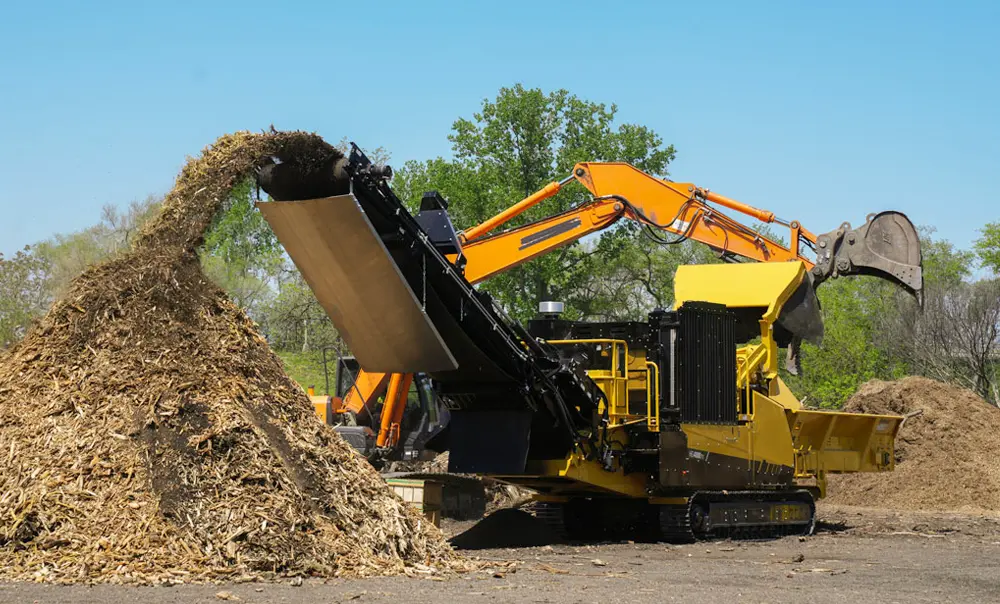
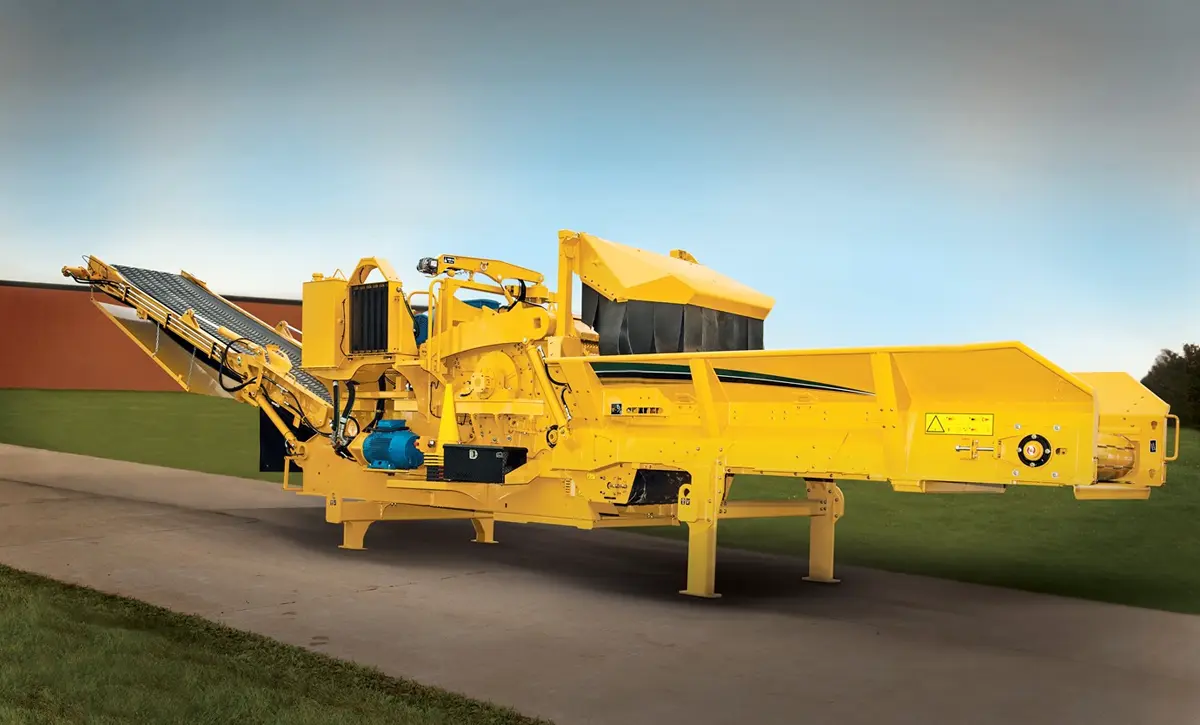
In timber processing plants (such as sawmills and lumber yards), horizontal grinders are primarily used for waste management and the conversion of residual wood into valuable secondary products.
Their main applications include:
● Processing Mill Residues:Grinders handle the various byproducts generated during the primary milling process. This includes:
○ Slabs and Edgings:The outer, often irregular, pieces of the log removed to create square-edged lumber.
○Trim Ends:The short pieces cut from the ends of boards to achieve specific lengths.
○Log Ends:The ends cut from raw logs before processing.
○Bark: The outer layer removed during debarking operations.
○Rejected Panels: In engineered wood facilities, off-spec or damaged panels may be ground up for reprocessing.

● Producing Biomass Fuel
The ground waste material is a primary source of fuel for the plant’s own operations (e.g., heating kilns) or for sale to nearby biomass power facilities for electricity generation.

● Creating Raw Material for Value-Added Products:
The processed wood fiber is used as a consistent feedstock for other manufacturing processes, such as:
○ Mulch: For landscaping and gardening uses.
○ Particleboard/MDF: As raw material in the production of engineered wood panels.
○ Animal Bedding: The fine, consistent output is suitable for agricultural applications.

● Contaminant Tolerance:
A key advantage of horizontal grinders in a processing environment is their ability to tolerate accidental metal contaminants (like nails or screws from repurposed materials) without catastrophic damage, which is a common issue with knife-based chippers. Magnetic head pulleys on discharge conveyors help separate these metals effectively.