

Biomass Energy


Biomass energy comes from organic materials (plants, animal waste, wood, crops) that store sunlight, offering a renewable energy source used for heat, electricity, and biofuels like ethanol. It’s converted through burning, gasification, or digestion to produce power, reducing reliance on fossil fuels and managing waste, with potential carbon neutrality as plants regrow, though sustainable management is key.

● Raw material preprocessing for biomass power plants
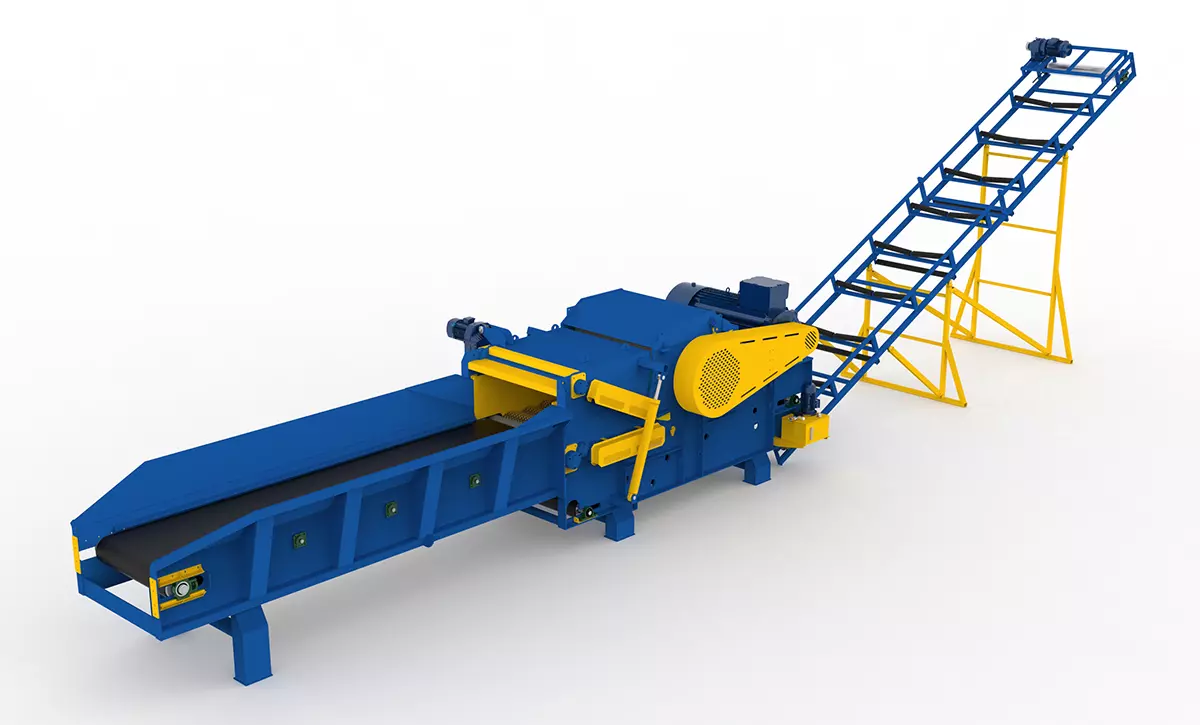
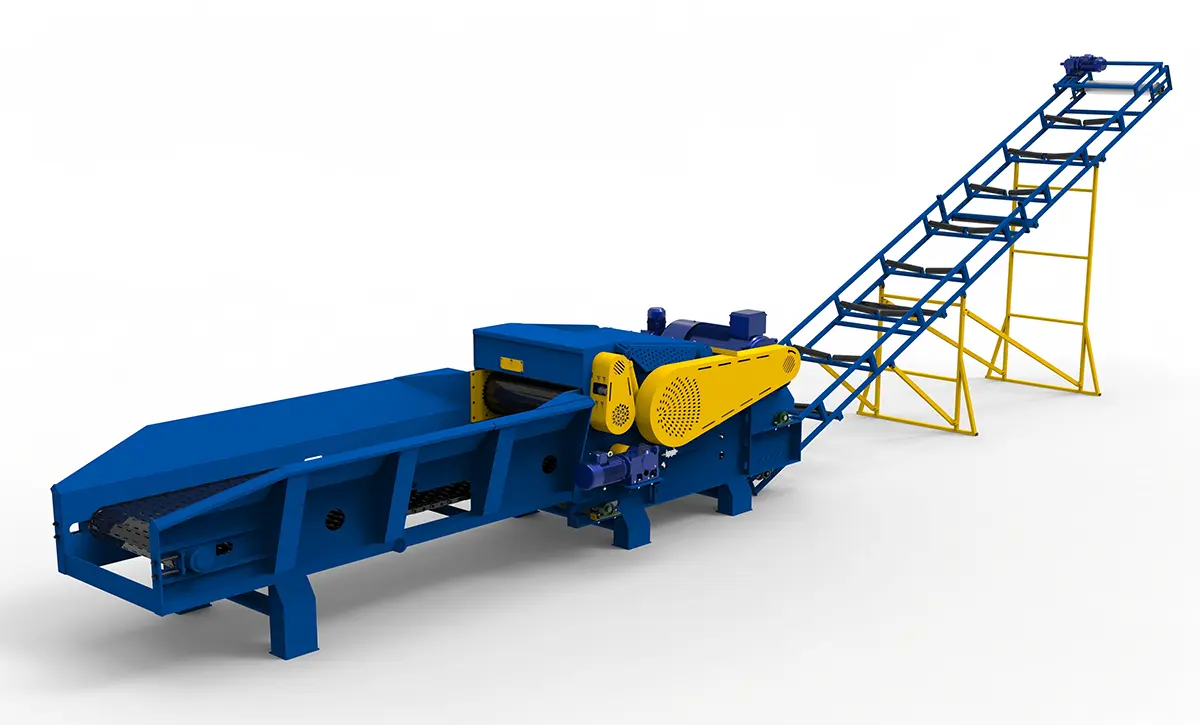
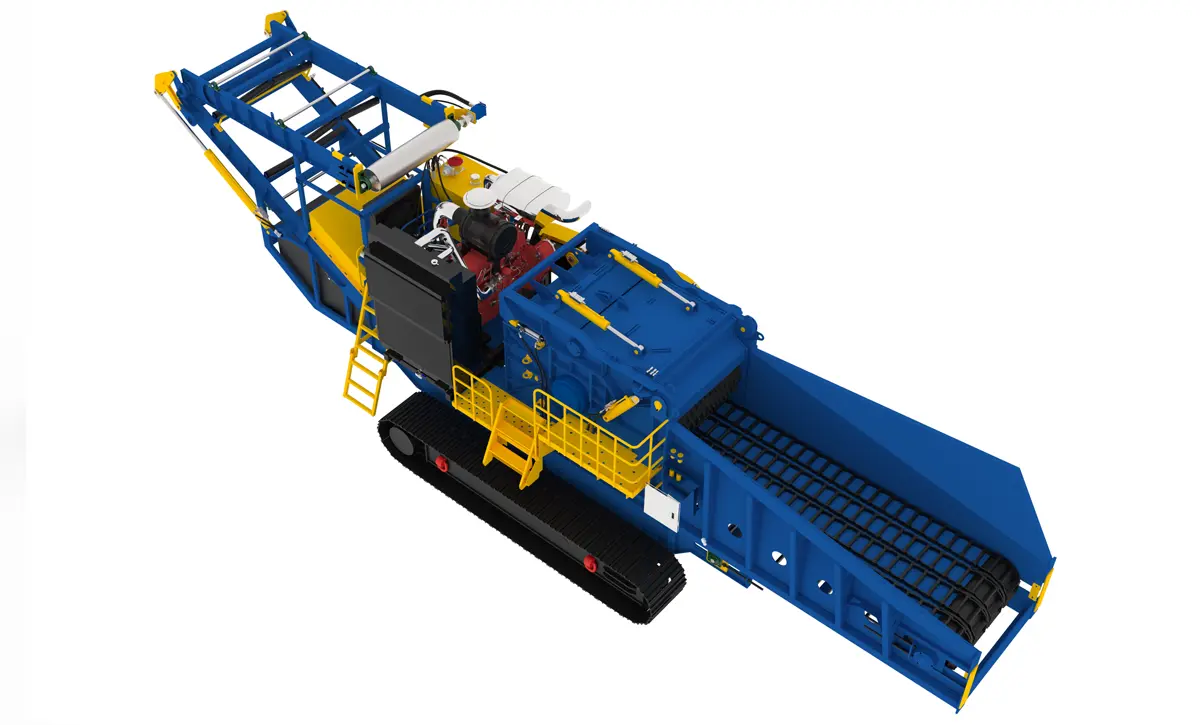
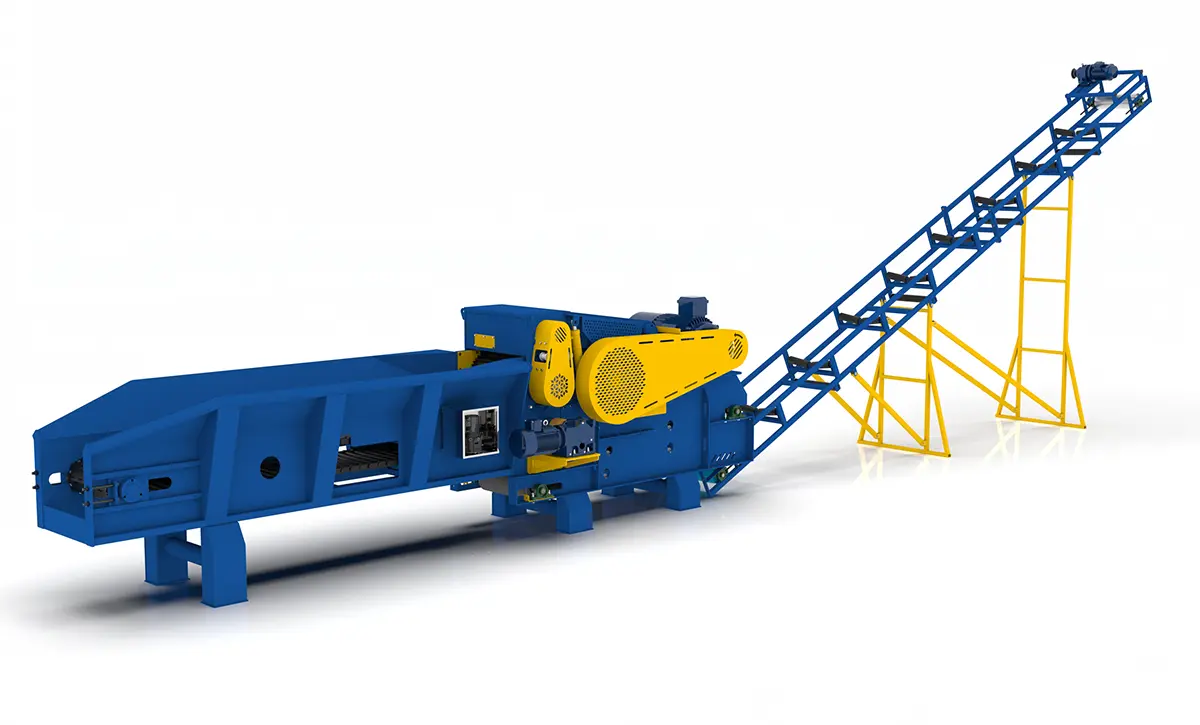
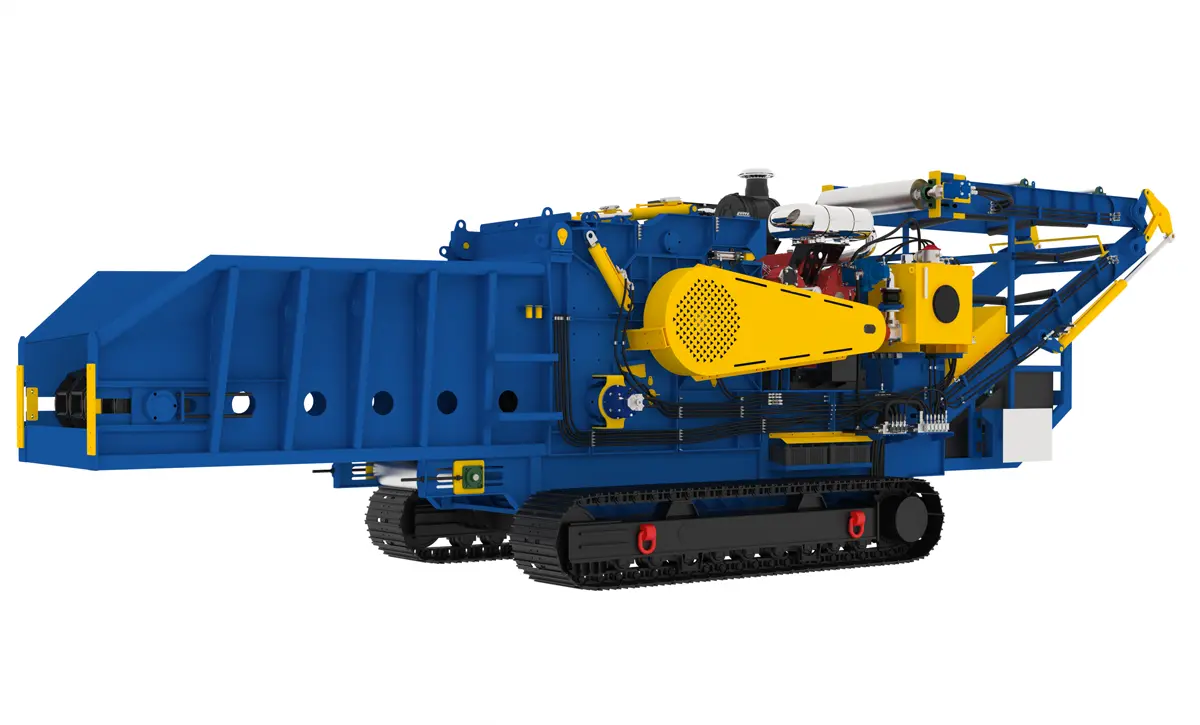
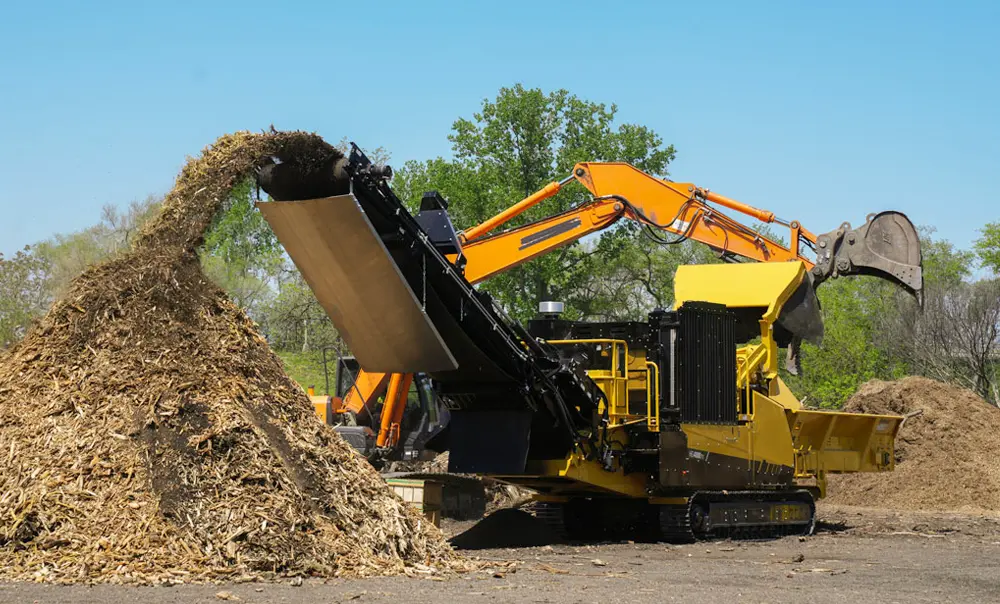
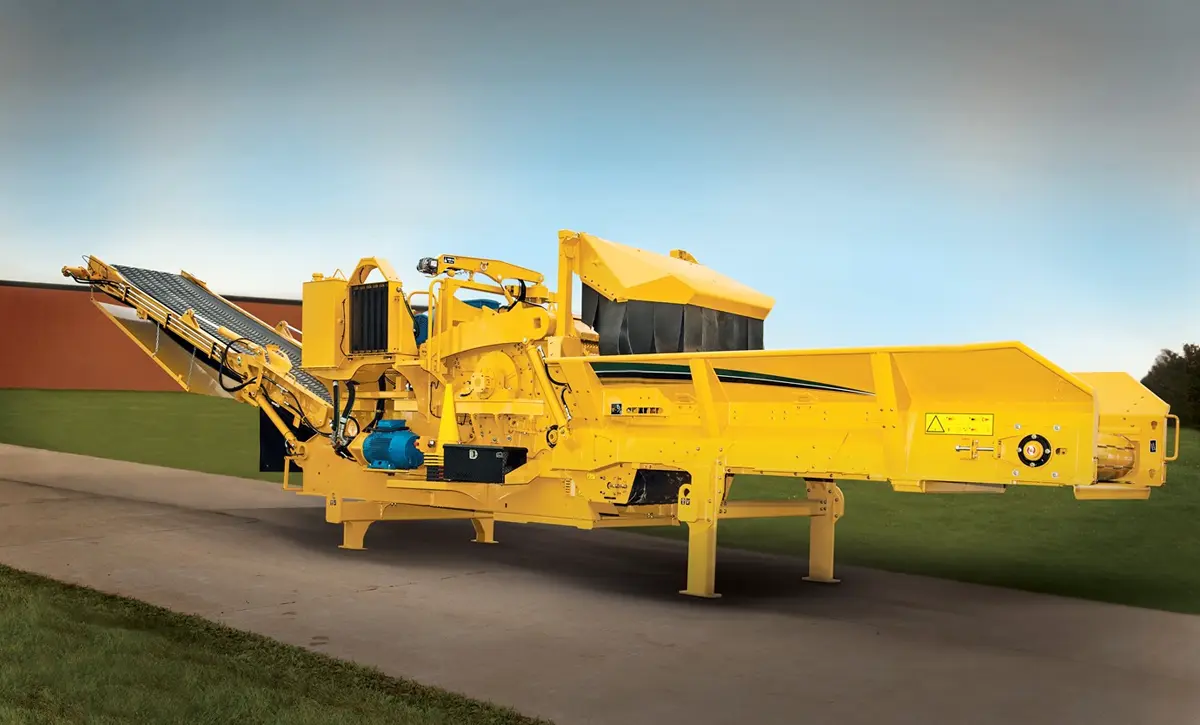
Tree grinders are the first step in converting forestry waste into usable fuel:
Volume reduction: They shrink bulky branches, stumps, and logging residues by 70-90%, drastically cutting down storage and transportation costs. A single truckload of unprocessed branches can turn into 3-4 truckloads of wood chips after grinding.
Particle size control: Power plants require fuel with consistent particle sizes (usually 2-5cm) for stable combustion. Tree grinders can adjust output to match boiler specifications, ensuring efficient heat transfer and minimizing emissions.
Quality improvement: Grinding removes dirt, rocks, and other impurities from raw materials, preventing damage to power plant equipment and reducing maintenance downtime.

● Waste-to-energy feedstock production
They turn low-value or waste materials into high-demand biomass fuel:
Urban green waste recycling: Process pruned tree branches, fallen leaves, and park trimmings into wood chips for local biomass power plants. This diverts waste from landfills, where it would release methane, a potent greenhouse gas.

Industrial wood waste utilization: Convert sawmill offcuts, furniture manufacturing scraps, and construction wood waste into standardized biomass fuel. This helps industries reduce waste disposal costs and generate additional revenue.
Invasive species management: Grind invasive tree species (like kudzu or bamboo) that are cleared to protect native ecosystems, turning them into a renewable energy resource instead of letting them decompose and release carbon.

● Biomass pellet and briquette production
Tree grinders are essential for producing densified biomass fuels:
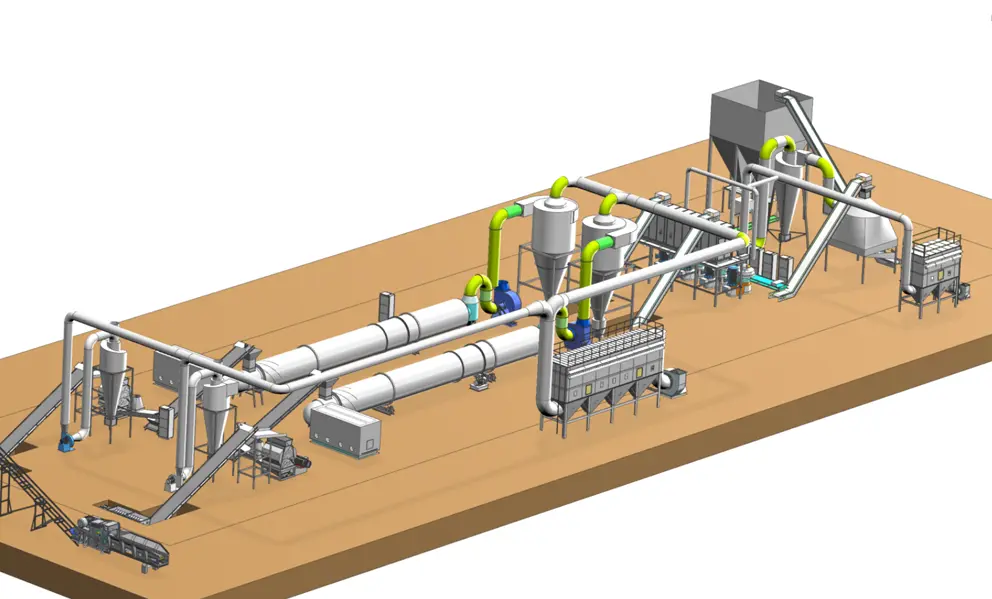
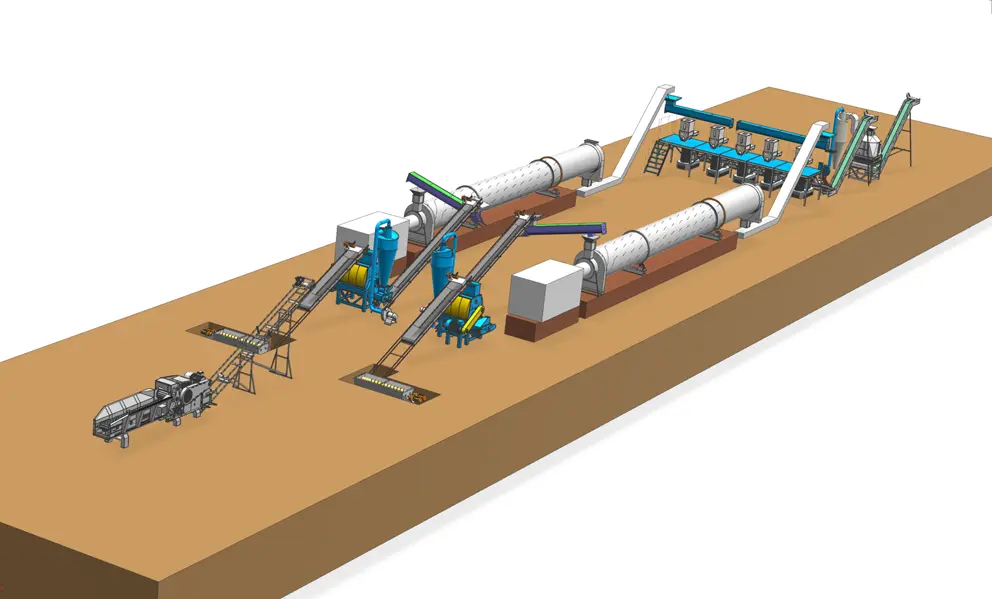
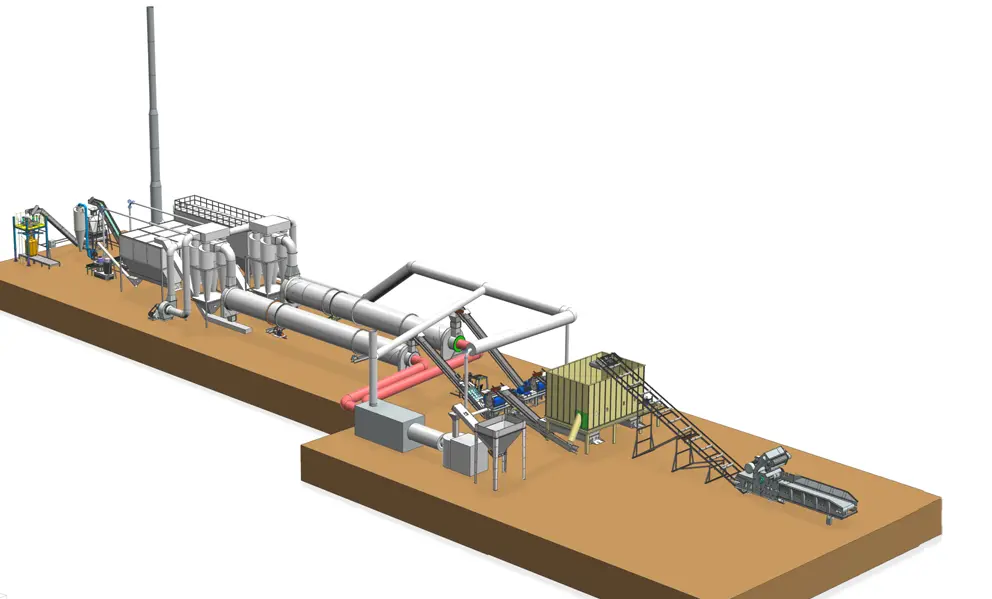
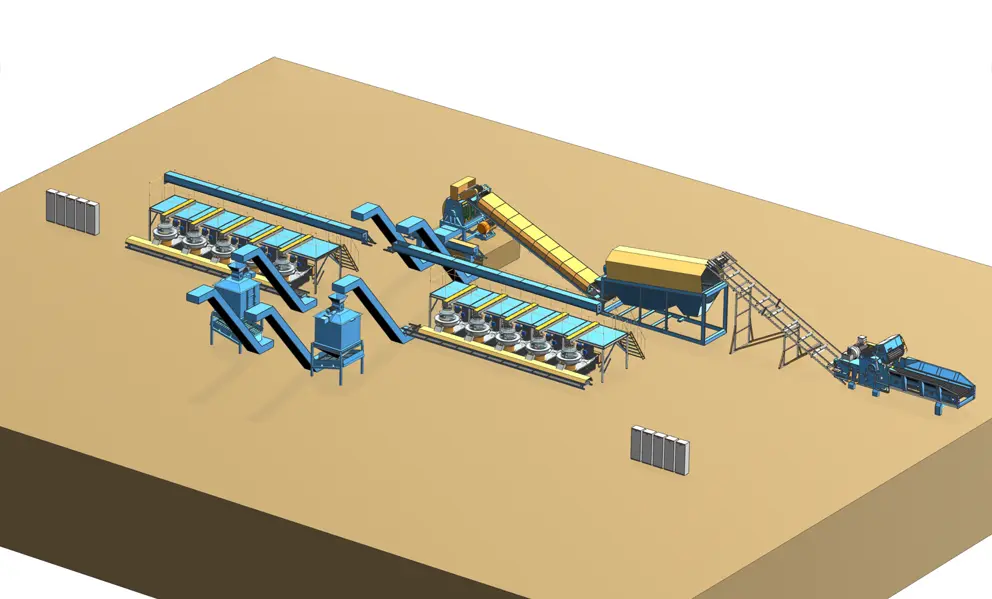
Primary grinding: They break down raw materials into small chips, which are then further processed into fine powder for pelletizing. The uniform particle size from grinding ensures consistent density and burning time in the final pellets.
Moisture adjustment: Some advanced tree grinders integrate drying systems, reducing the moisture content of raw materials to 10-15%—the ideal range for pellet production. This improves pellet quality and reduces energy consumption during the densification process.
Cost optimization: By processing materials on-site, tree grinders eliminate the need to transport bulky raw materials to pellet factories, lowering overall production costs.
● Co-firing with fossil fuels
They enable biomass to be blended with coal in existing power plants:
Fuel compatibility: Tree grinders adjust the particle size and moisture content of biomass to match coal specifications, ensuring smooth blending and stable combustion. This avoids operational issues like clinkers or boiler corrosion.
Emission reduction: Blending 10-20% biomass with coal can reduce carbon emissions by 8-16% per unit of electricity generated, helping power plants meet strict environmental regulations without full-scale retrofits.
Flexibility: Tree grinders can process a wide range of biomass materials, allowing power plants to switch between different feedstocks based on availability and cost.