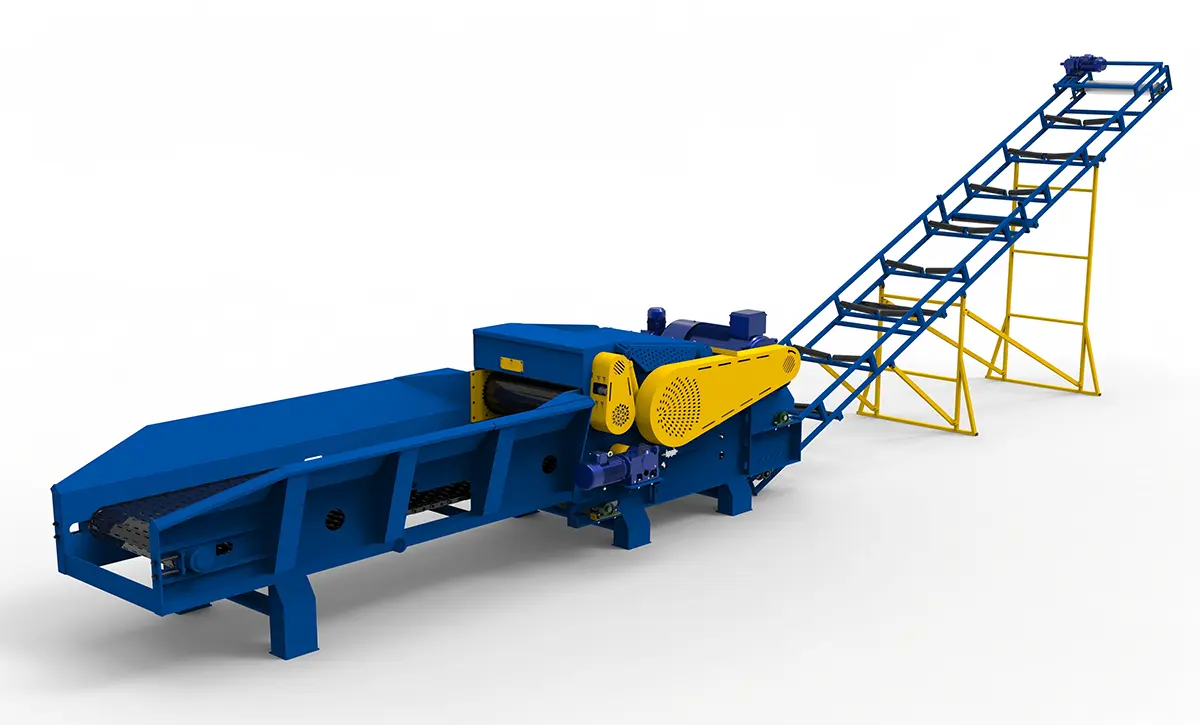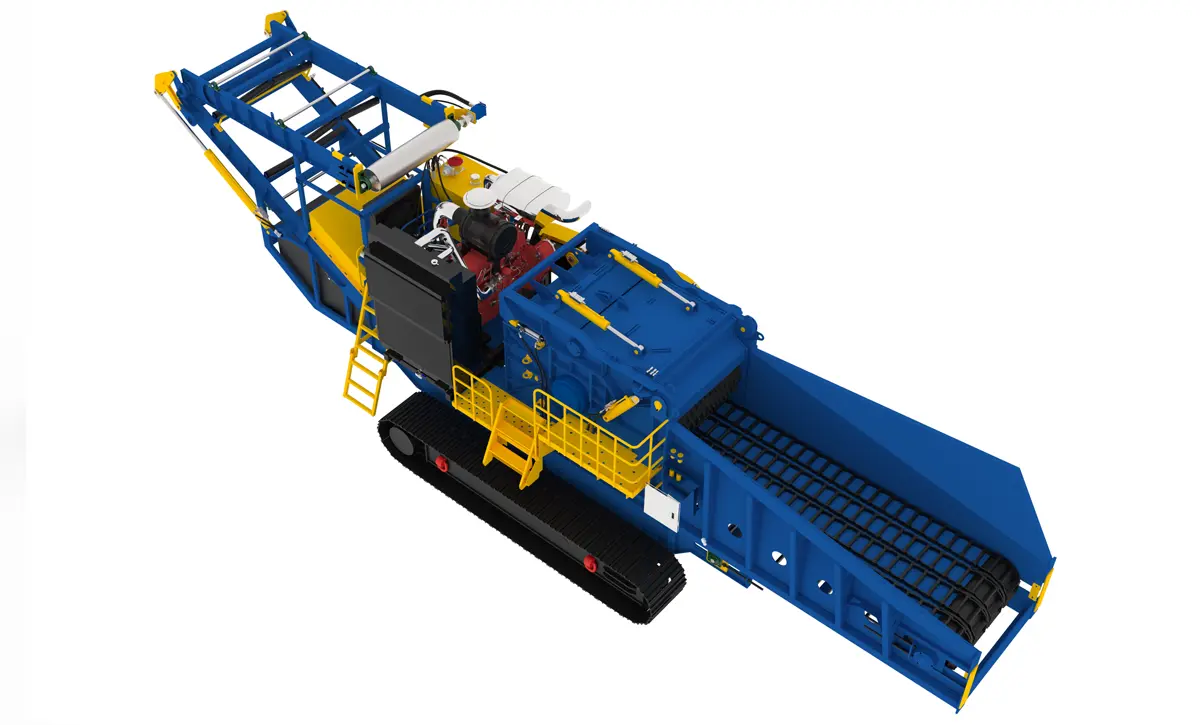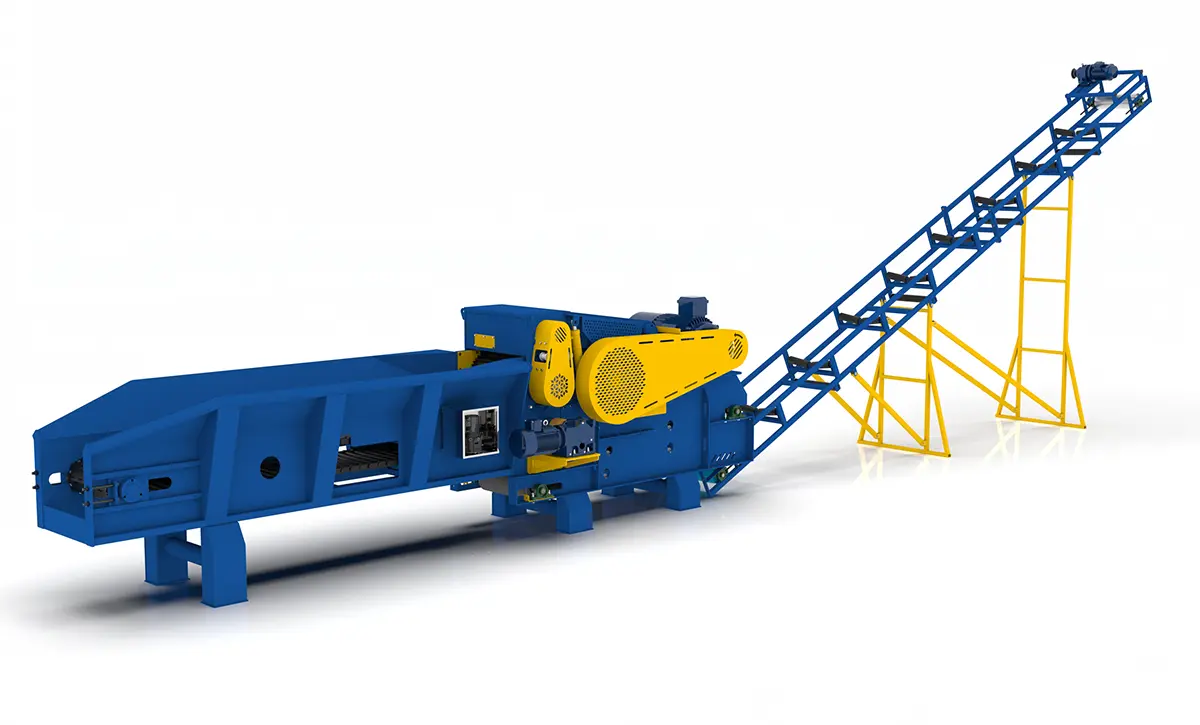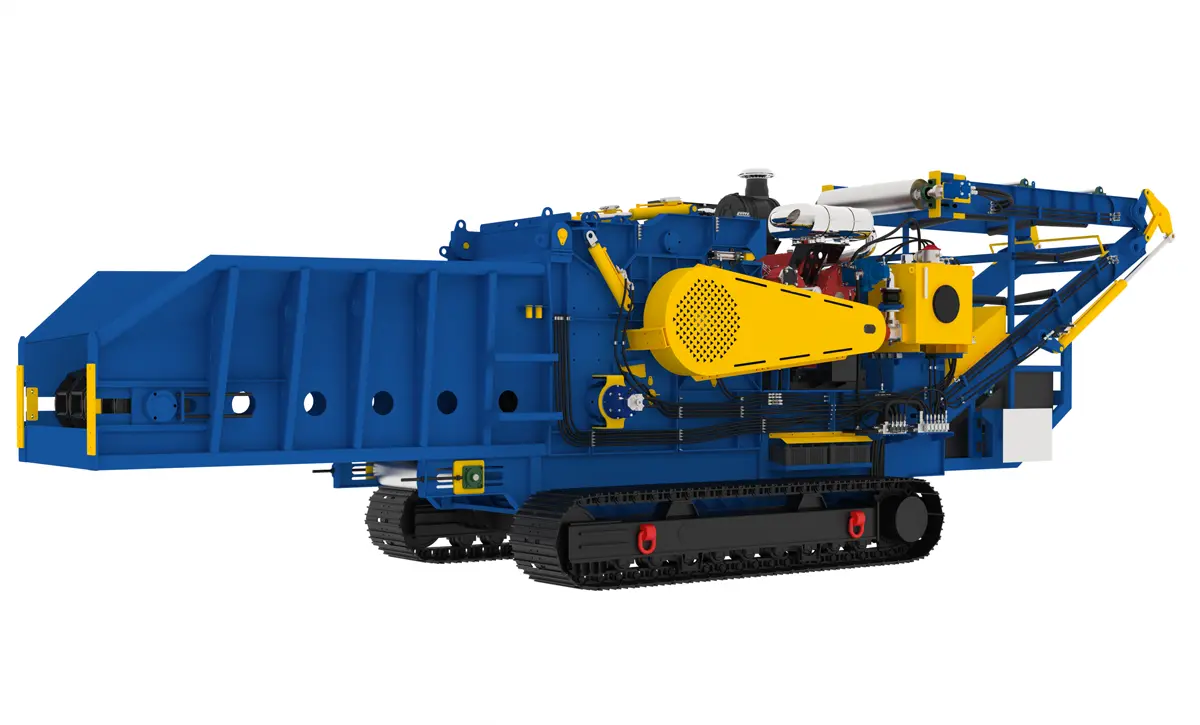


Wood Block


Enhanced operational efficiency
Consistent feeding: Wood blocks have uniform size and shape, which allows them to feed smoothly into tree grinders without jamming. This eliminates downtime caused by uneven or oversized raw materials, increasing overall processing speed by 20-30% compared to unprocessed branches or stumps.
Predictable processing: The uniform density of wood blocks means tree grinders can operate at a steady, optimal RPM, reducing strain on motors and blades. This extends equipment lifespan and lowers maintenance costs, as there’s less need for emergency repairs or blade replacements.
Scalable production: Wood blocks are easy to stockpile and transport in bulk, making them ideal for large-scale biomass plants or mulch production facilities. They can be processed continuously without interruptions for reloading or sorting.

Precise product quality control
Uniform particle size output: Since wood blocks start with a consistent size, the shredded or chipped output has a much tighter particle size distribution. This is critical for applications like biomass pellet production, where precise particle size (usually 1-3mm) is required for uniform pellet density and burning efficiency.
Controlled moisture content: Wood blocks are often dried to a specific moisture level (10-15%) before processing, which ensures the finished product meets industry standards. For example, dried wood blocks produce biomass fuel with higher energy content and lower emissions, while mulch from dried blocks decomposes more slowly and resists mold growth.
Low impurity content: Unlike raw tree waste, wood blocks are typically sorted to remove nails, rocks, or dirt before processing. This reduces wear on grinder components and produces a cleaner finished product, which is more valuable for high-end applications like animal bedding or composite materials.

Cost optimization
Reduced processing energy: Wood blocks are already broken down into smaller pieces, so tree grinders require less energy to process them compared to whole logs or stumps. This cuts down on electricity or fuel costs for processing facilities, especially for large-scale operations.
Minimal waste generation: The consistent size of wood blocks means there’s less over-processing or under-processing, reducing the amount of unusable fines or oversized chunks. This maximizes the yield of usable product from each ton of raw material.
Flexible sourcing: Wood blocks can be made from a variety of sources, including sawmill offcuts, construction wood waste, or recycled pallets. This allows processing facilities to choose the most cost-effective feedstock based on local availability and market prices.

Sustainable resource utilization
Maximizes wood waste recycling: Wood blocks turn low-value industrial wood waste into a high-quality feedstock for tree grinders, diverting it from landfills. For example, a single ton of sawmill offcuts made into wood blocks can produce 0.9 tons of usable biomass fuel, reducing the need for virgin wood.
Lower carbon footprint: Processing wood blocks requires less energy than processing raw tree waste, and the finished product can replace fossil fuels or synthetic materials. This reduces overall carbon emissions and supports circular economy goals.
Compliance with regulations: Many regions have strict regulations on wood waste disposal, and using wood blocks as feedstock helps facilities meet these requirements while creating a valuable product.