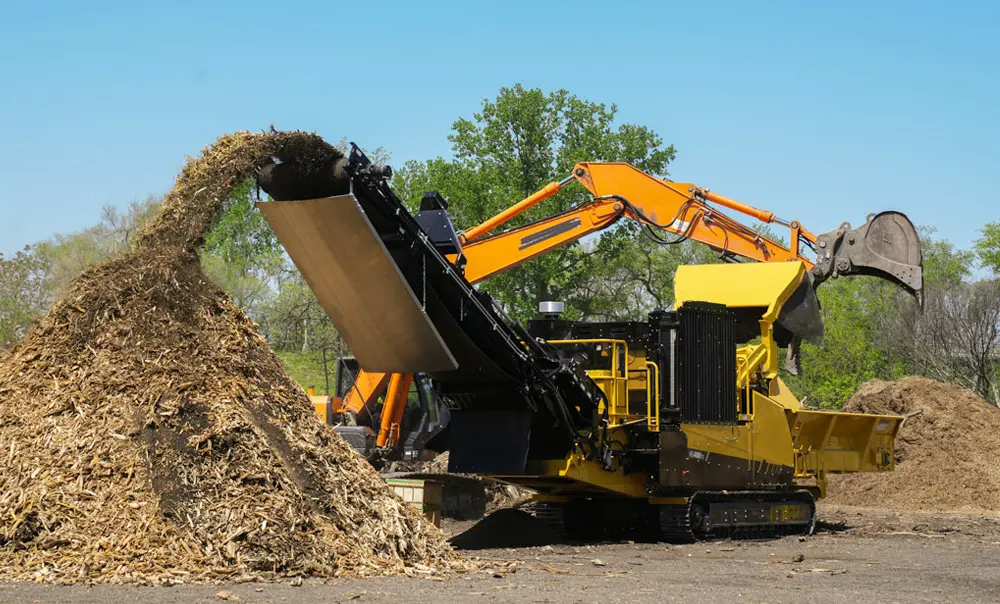
Our company’s main best-selling models are as follows, priced between US$50,000 and US$100,000, and we support customized development of functions.
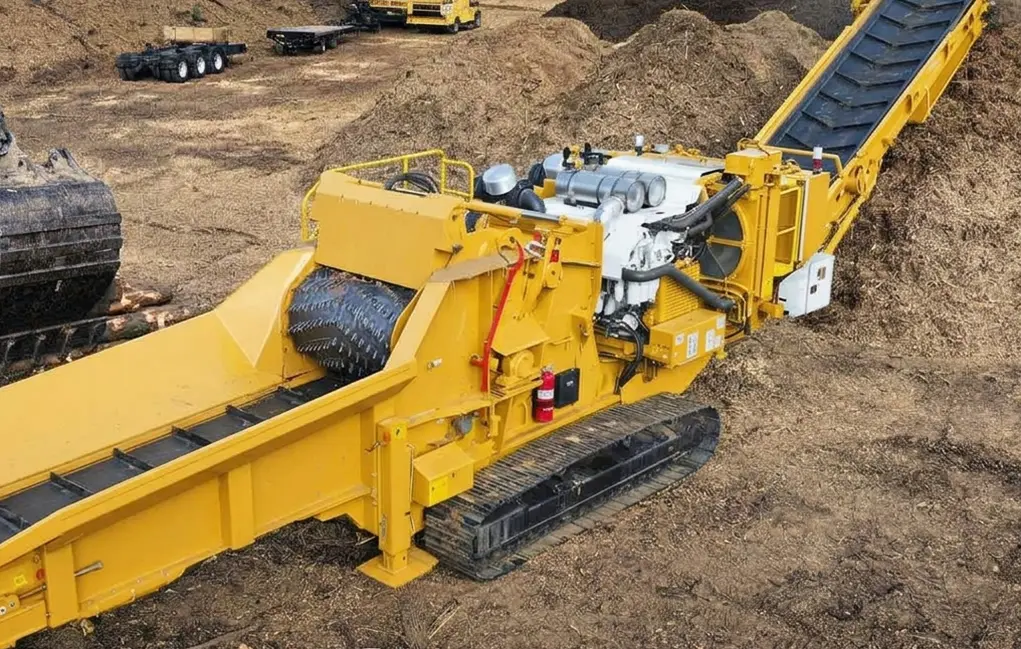
Diesel Horizontal Tree Grinder HG 6400CT
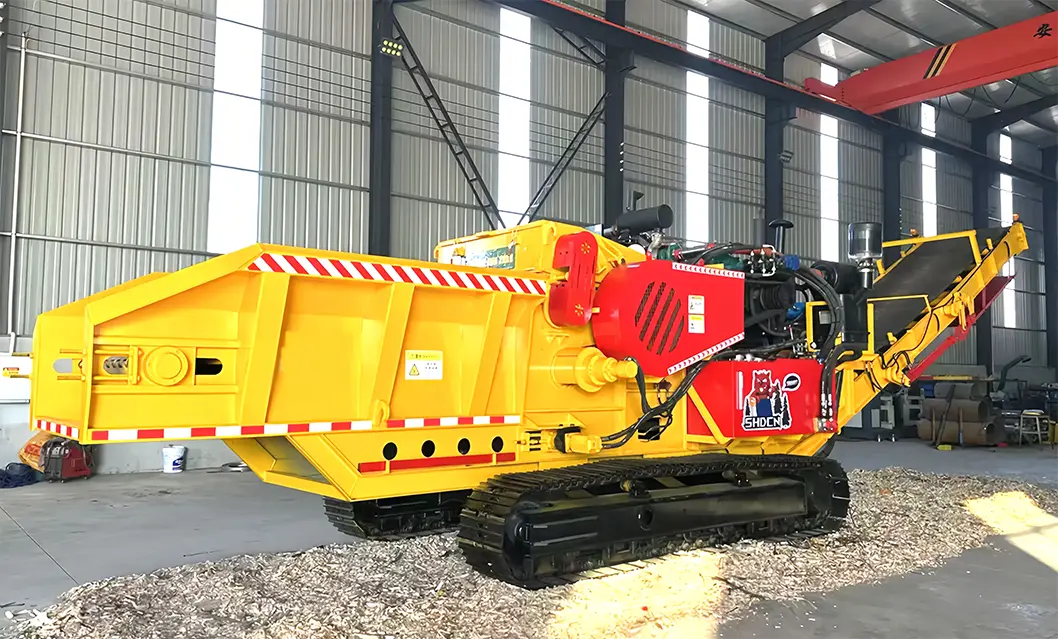
large wood chipper
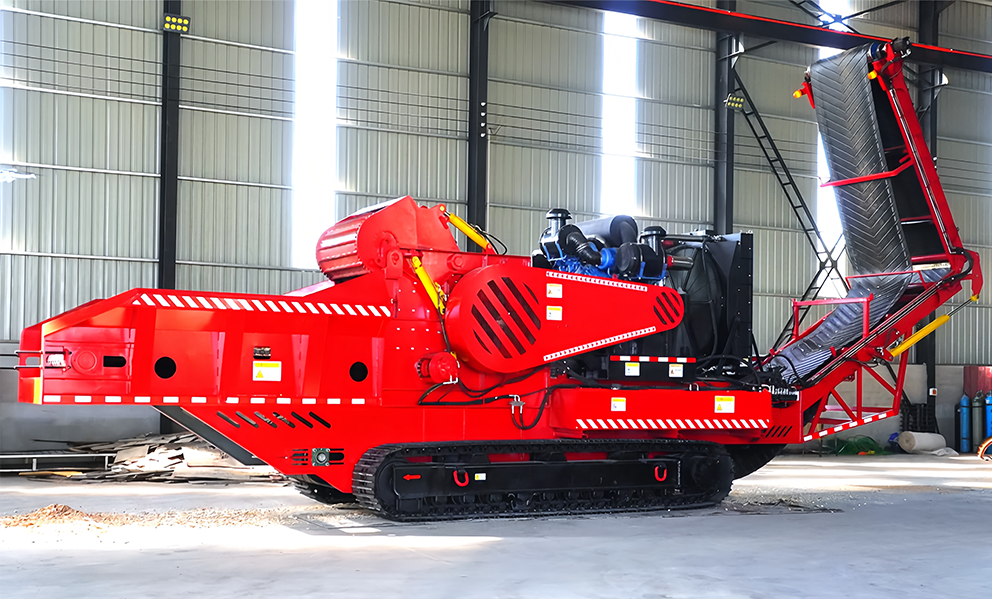
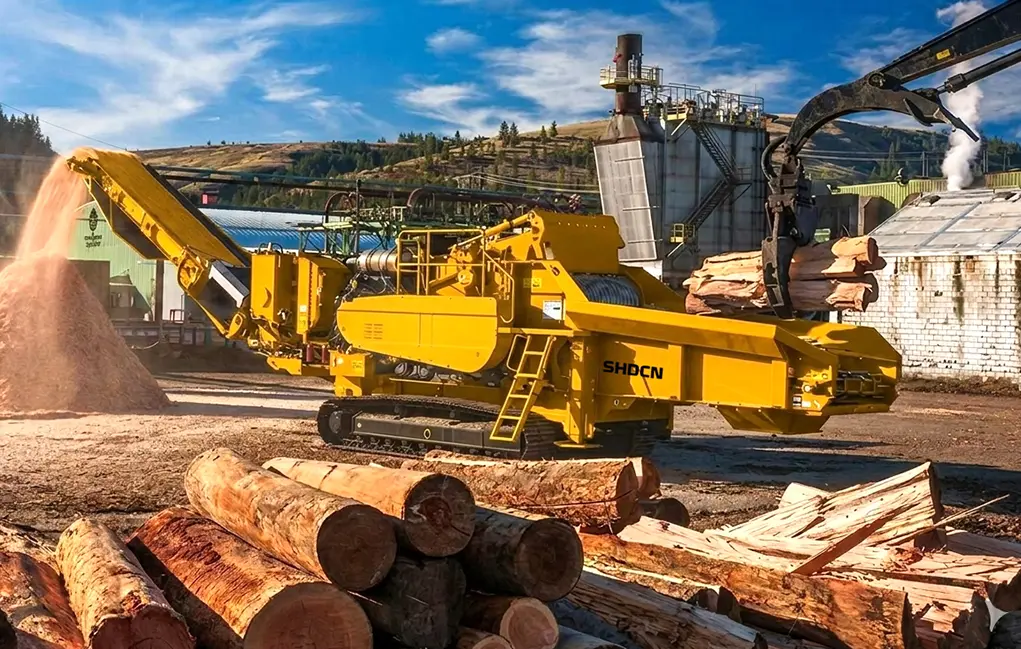
Large Wood Chipper
Electric Horizontal Tree Grinder EG 5320
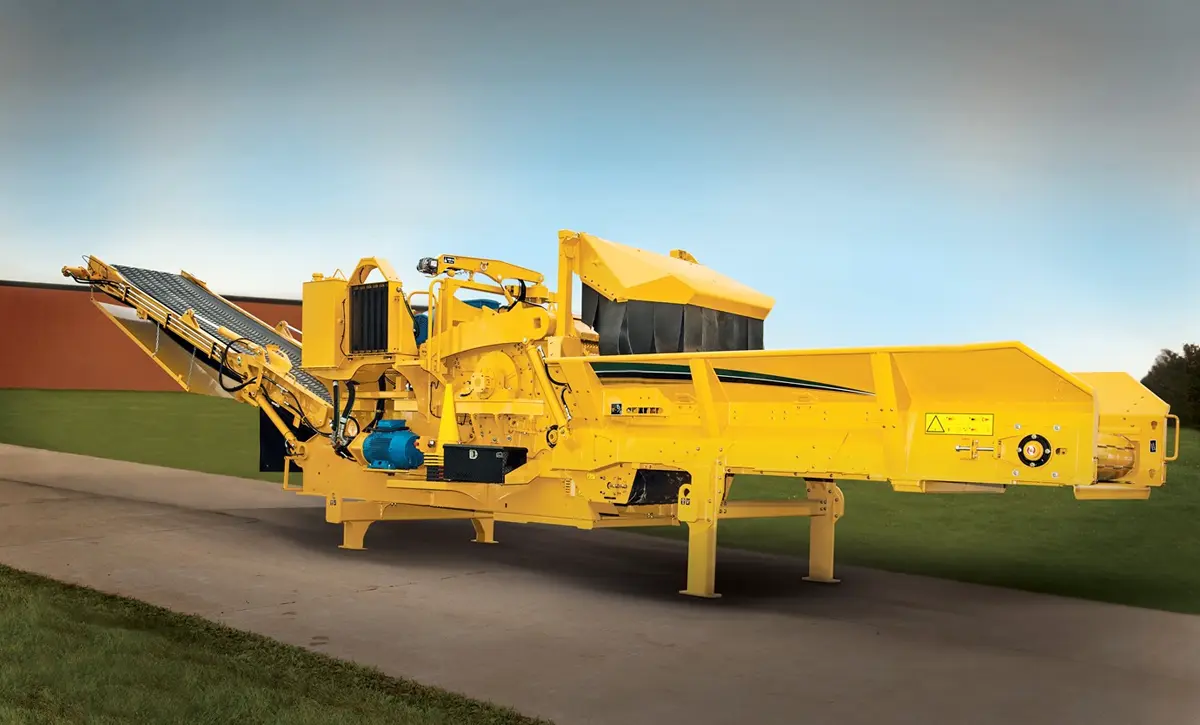
What is a Tree Grinder?
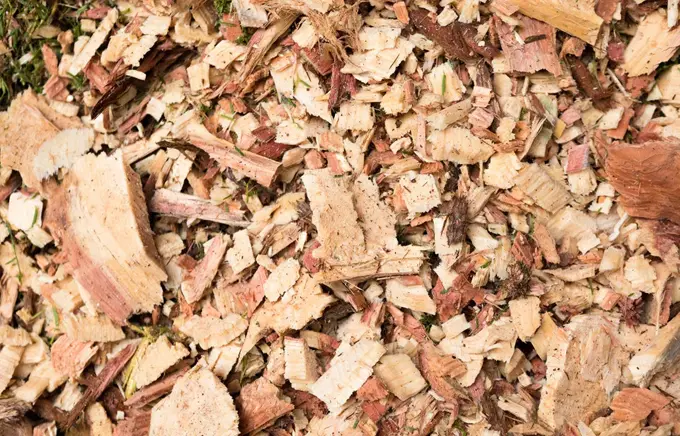
A tree grinder is a heavy-duty piece of landscaping equipment designed to reduce tree stumps, branches, and whole trees into small wood chips or mulch. Powered by gasoline, diesel, or electricity, it features a rotating cutting head equipped with sharp, durable teeth that grind through wood material efficiently. Widely used in residential, commercial, and municipal landscaping projects, it eliminates unsightly stumps, clears land for construction, and repurposes tree waste into usable mulch for gardens and pathways.
Key Types of Tree Grinders
Walk-behind grinders: Compact, lightweight models ideal for small residential properties and narrow spaces. Operators guide them manually, making them perfect for grinding small to medium-sized stumps.
Ride-on grinders: Larger, more powerful units that operators ride on. Suitable for commercial projects and large land areas, they can handle big stumps and heavy-volume tree grinding tasks.
Towable grinders: Designed to be attached to a truck or tractor, these grinders offer high mobility and power. They are often used in land clearing, forestry, and large-scale landscaping operations.
Core Advantages
Space-saving: Removes stumps that take up valuable yard space, allowing for new landscaping, construction, or gardening projects.
Eco-friendly: Turns tree waste into nutrient-rich mulch that can be reused to enrich soil, retain moisture, and suppress weeds in gardens.
Safety improvement: Eliminates tripping hazards caused by exposed stumps, reducing the risk of accidents in yards, parks, and public spaces.
Cost-effective: Avoids the need for expensive stump removal methods like digging or blasting, and the resulting mulch can replace purchased landscaping materials.
Operational Precautions
Personal protective equipment (PPE): Operators must wear safety goggles, ear protection, heavy-duty gloves, steel-toe boots, and a hard hat to prevent injury from flying wood chips and debris.
Site inspection: Before operation, check the area for underground utilities (such as gas lines, water pipes, and electrical cables) to avoid damaging them and causing safety risks.
Proper technique: Maintain a steady speed and avoid overloading the grinder. Start grinding from the edge of the stump and work inward to ensure efficient and even grinding.
Post-operation care: Clean the grinder’s cutting head and moving parts regularly to prevent rust and maintain performance. Store the equipment in a dry, covered area when not in use.
Definition & Core Design of Large Tree Grinders
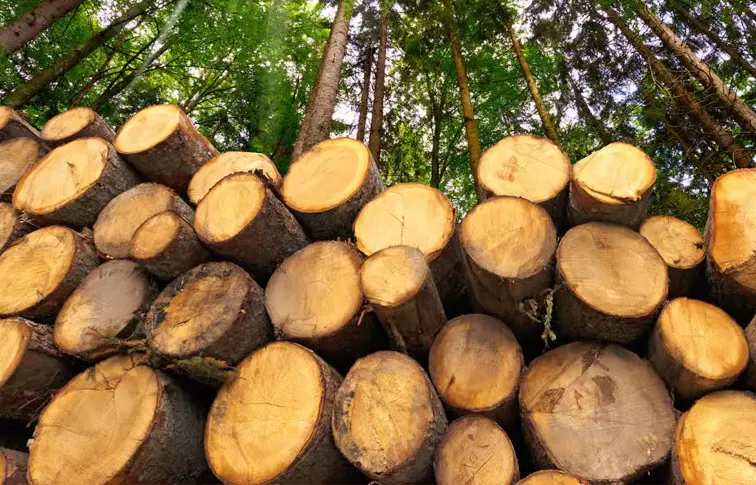
Large tree grinders are heavy-duty industrial-grade machinery engineered to process oversized tree trunks, thick branches, and massive stumps into uniform wood chips, mulch, or biomass fuel. Unlike compact residential models, they boast robust steel frames, high-horsepower engines (ranging from 100 to over 500 HP), and oversized rotating cutting heads fitted with carbide-tipped teeth. Their design prioritizes high throughput, durability, and the ability to handle dense hardwoods and large-volume wood waste, making them indispensable in forestry, land clearing, and large-scale landscaping projects.
Key Technical Specifications
Power system: Dominated by diesel engines for high torque and continuous operation; some advanced models integrate hybrid electric-diesel systems for reduced emissions in urban areas.
Cutting capacity: Can process tree trunks with diameters up to 60 inches (152 cm) and stumps with heights exceeding 3 feet (91 cm) in a single pass.
Mobility options: Available as tracked units (for superior traction on uneven, muddy, or sloped terrain) or wheeled models (for fast transport on paved roads between job sites).
Feed mechanism: Equipped with hydraulic or mechanical infeed systems that automatically draw large tree sections into the cutting head, minimizing manual handling and boosting efficiency.
Primary Application Scenarios
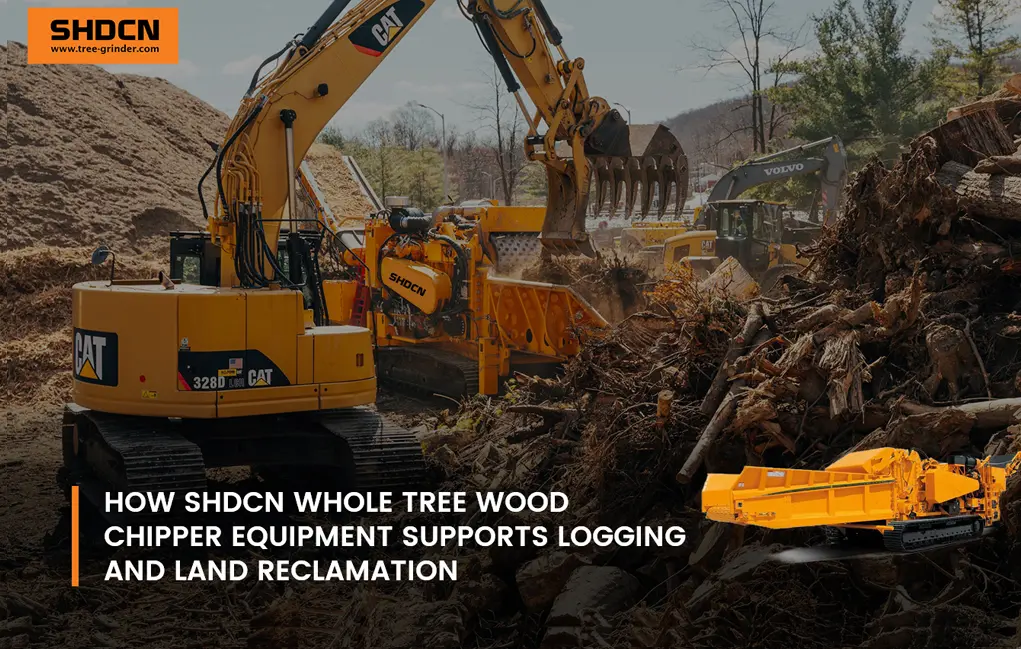
Forestry operations: Used to clear harvested tree stumps and process logging residuals into mulch or biomass, reducing waste and optimizing land reuse.
Land development: Prepares construction sites by removing mature trees and stumps, clearing land for residential subdivisions, commercial buildings, or infrastructure projects.
Municipal vegetation management: Processes storm-damaged trees, fallen branches, and large stumps in parks, highways, and public green spaces to restore safety and functionality.
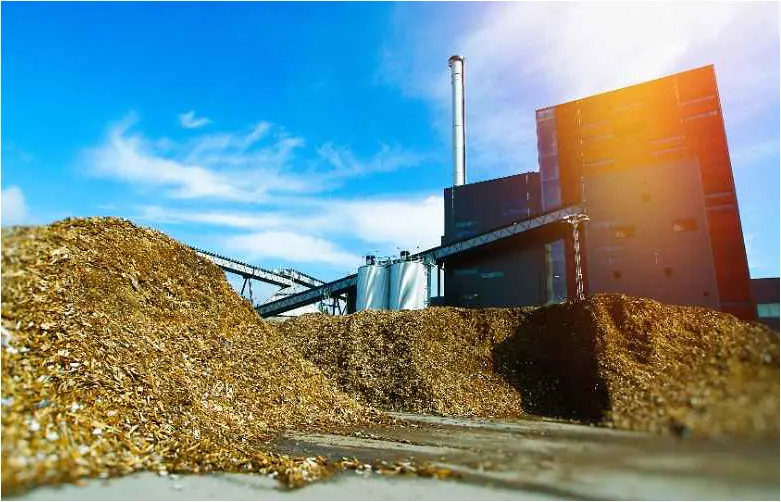
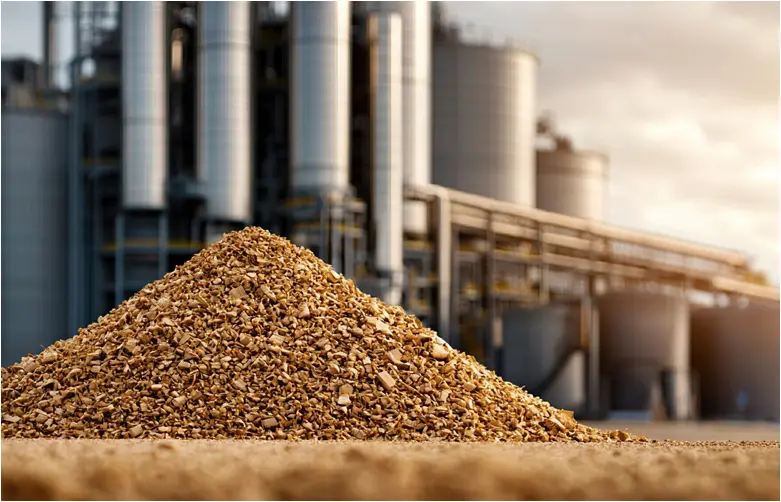
Biomass energy production: Converts wood waste into high-density biomass chips that serve as a renewable fuel source for power plants and heating systems.
Advanced Features of Modern Models
Remote control operation: Allows operators to control the grinder from a safe distance, particularly useful when processing unstable or hazardous tree structures.
Smart monitoring systems: Integrate sensors to track engine performance, tooth wear, and feed rate, providing real-time data to prevent breakdowns and optimize maintenance schedules.
Dust suppression technology: Equipped with water spray systems or cyclone filters to reduce airborne wood dust, improving job site safety and compliance with environmental regulations.
Multi-functional attachments: Compatible with optional chutes, screens, and conveyors to produce different sizes of wood chips or direct output into trucks or storage bins for seamless material handling.